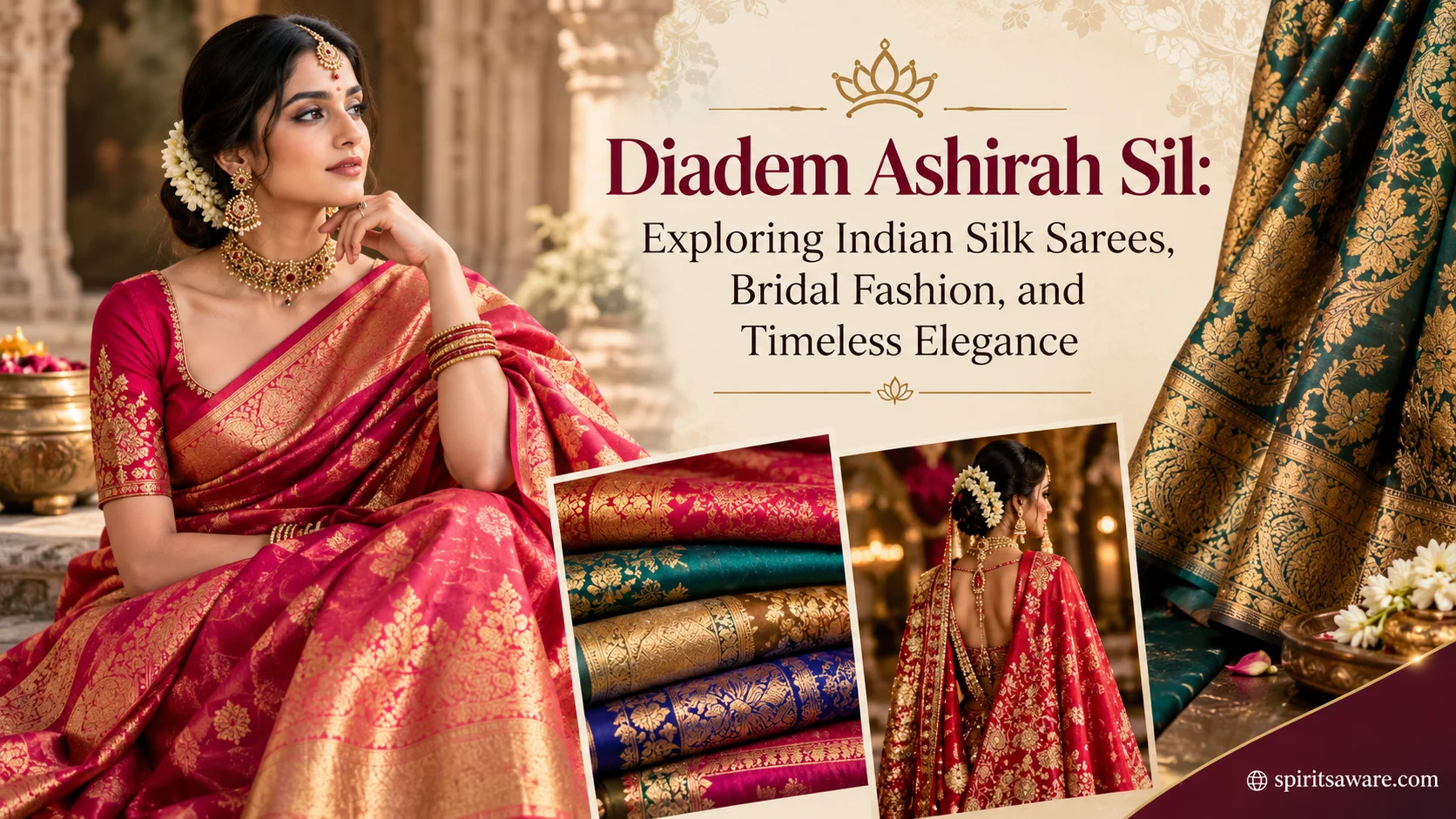
Indian ethnic fashion brings together cultural heritage, artistic design, and personal expression. From richly decorated silk sarees to contemporary bridal outfits, traditional Indian clothing continues to appeal to people who appreciate craftsmanship and distinctive styles. Diadem – Ashirah Sil is a name associated with this blend of traditional textiles and modern occasion wear.
Diadem is a fashion brand based in Chennai, India, known for its bridal clothing, designer outfits, and saree collections. Its Ashirah collection was introduced as an extension of the brand’s fashion offering, bringing together different saree styles, fabrics, and festive clothing options. For shoppers exploring Indian ethnic fashion, understanding the collection, the textiles it features, and the details to check before purchasing can make the shopping experience more rewarding. Whether you’re shopping for a wedding, a festival, a family celebration, or a special gift, this guide explains what Diadem – Ashirah Sil represents, how to explore its fashion offerings, and what to consider when choosing traditional Indian clothing.
Quick Answer: What Is Diadem Ashirah Sil?
Diadem – Ashirah Sil refers to Ashirah by Diadem, a collection associated with the Chennai-based fashion brand Diadem. The Ashirah collection was introduced in 2021 and featured a broad selection of sarees, including Kanchipuram silk, Banarasi, Tussar, cotton, linen, and other designer styles, alongside festive clothing such as salwar suits and lehengas.
The collection brings traditional Indian textile styles into a fashion retail setting that caters to celebrations and special occasions. However, the exact fabrics, designs, product availability, and prices can vary. Buyers should confirm the specifications of individual garments directly with the brand before making a purchase.
What Makes Diadem – Ashirah Sil Worth Exploring?
The appeal of a traditional fashion collection often comes from the variety of styles it brings together. Instead of focusing on a single silhouette or fabric, a collection featuring multiple textile traditions can give shoppers more flexibility when choosing an outfit.
Diadem’s Ashirah collection has been presented as a destination for traditional and designer sarees, with additional clothing options for festive and wedding-related occasions.
A Mix of Traditional and Contemporary Fashion
Indian ethnic clothing is not limited to one design approach. Some garments emphasize traditional weaving patterns, while others incorporate modern colors, decorative details, or contemporary styling.
A traditional silk saree might feature a contrasting border and elaborate motifs. A more contemporary design could use softer colors, simpler patterns, or a less elaborate finish.
This variety matters because different shoppers have different preferences. Someone attending a formal wedding may want a richly decorated garment, while another person may prefer a lighter outfit for a daytime celebration.
When exploring Diadem – Ashirah Sil, look at the actual garment rather than relying only on the collection name. Photographs, fabric descriptions, border details, and product specifications can help you determine whether a particular design matches your needs.
Clothing for Celebrations and Special Occasions
Sarees and other traditional Indian outfits are commonly worn at weddings, religious celebrations, festivals, engagements, and family gatherings.
A collection that offers multiple garment categories can be useful when you’re shopping for different events. For example, a formal silk saree may suit a traditional wedding ceremony, while a lighter cotton or linen saree may work better for a daytime gathering.
The right choice depends on the dress code, climate, duration of the event, and your comfort preferences. Rather than assuming that every item in a premium collection is intended for bridal wear, check the intended use and styling of the individual product.
Understanding the Saree Styles Associated With Ashirah
The word “silk” can refer to several different textile traditions and product types. Understanding those distinctions helps buyers compare garments more confidently.
The Ashirah collection has been associated with a range of Indian saree styles. The following sections explain the characteristics of these textiles in general; they should not be interpreted as confirmation that every style is currently available from Diadem.
Kanchipuram Silk Sarees
Kanchipuram, also commonly spelled Kanchivaram or Kanjeevaram, is known for its silk saree tradition in Tamil Nadu, South India.
These sarees are often recognized by their substantial drape, contrasting borders, decorative motifs, and elaborate pallu, the decorative end portion of a saree. Traditional designs may include temple-inspired patterns, floral details, checks, or motifs influenced by Indian art and architecture.
Kanchipuram silk sarees are frequently chosen for weddings and major cultural celebrations because of their formal appearance and association with South Indian textile heritage.
If you’re considering one, check the stated fiber composition, weaving details, border construction, and any available authenticity documentation. A product’s use of a traditional design does not, by itself, establish that it is made from pure silk or produced using a particular weaving method.
Banarasi Sarees
Banarasi sarees are associated with Varanasi, a historic textile center in northern India.
They are often known for intricate decorative patterns, brocade effects, and zari work. Zari refers to metallic or metallic-look decorative thread used to create ornamental details in textiles.
Depending on the design and materials, a Banarasi-style saree may have a rich, formal appearance suitable for weddings, receptions, and festive occasions.
When comparing these sarees, examine the design closely. Ask whether the decorative work is woven, embroidered, printed, or created using another technique. These production methods can affect the garment’s appearance, texture, care requirements, and price.
Tussar Silk Sarees
Tussar silk is a type of silk known for its distinctive texture and natural-looking finish. Compared with some highly polished silk fabrics, Tussar often has a more textured appearance.
Its visual character can suit shoppers who want something traditional without choosing an especially glossy or heavily decorated saree.
Tussar garments may feature subtle patterns, contrast borders, or decorative accents. Their appearance and feel depend on the particular fabric and construction, so it’s worth checking the product description rather than assuming that all Tussar sarees have the same weight or texture.
Cotton and Linen Sarees
Cotton and linen sarees offer alternatives to heavier occasion wear.
Cotton is often appreciated for its familiar feel and versatility. Linen is known for its characteristic texture and natural creasing. Both can be appropriate for daytime events, warm weather, and occasions where a less elaborate look is preferred.
These fabrics can also be easier to style for smaller celebrations than heavily embellished silk sarees.
However, comfort depends on more than fiber content. The weave, garment weight, lining, blouse fabric, and overall construction can all affect how an outfit feels when worn for several hours.
Designer and Silk-Blend Sarees
Designer sarees can combine traditional motifs with contemporary colors, prints, embellishments, and fabric combinations.
Some use silk blends or other fibers to achieve a particular appearance, drape, or price point. This does not automatically make them inferior to pure silk garments; the appropriate choice depends on the intended use, budget, and personal preferences.
The important distinction is transparency. A shopper should be able to identify the actual fabric composition rather than relying on words such as “luxury,” “premium,” or “silk-inspired.”
How to Choose the Right Ashirah Saree for Your Occasion
Choosing a saree becomes easier when you begin with the event rather than the most elaborate design.
A garment can look beautiful in a photograph but still be impractical if it is too heavy, difficult to drape, or uncomfortable for a long ceremony.
For Weddings and Bridal Events
Wedding outfits often need to balance appearance, cultural expectations, and comfort.
If you’re selecting a saree for a wedding, consider:
- Formality: Determine whether the event calls for traditional bridal attire, formal guest wear, or a lighter festive look.
- Fabric: Consider the garment’s weight, drape, and suitability for the climate.
- Decoration: Decide whether you prefer elaborate borders and motifs or a simpler design.
- Blouse: Check whether the blouse is included, stitched, unstitched, or sold separately.
- Wearability: Think about how easily you can sit, walk, and move during the ceremony.
If the saree is intended for a bride, confirm all measurements, blouse requirements, delivery arrangements, and alterations well before the wedding date.
For Festivals and Family Celebrations
Festivals often provide more flexibility in color and styling.
A brightly colored saree with a traditional border can create a celebratory appearance, while a simpler design may be more suitable for a smaller gathering.
You can also consider how often you’ll wear the garment. If you want something for multiple occasions, a versatile design may provide more long-term value than a highly specific outfit intended for a single event.
For Formal Dinners and Evening Events
For evening events, look at how the garment’s color, texture, and decorative details work under indoor lighting.
A rich color or metallic accent can create a formal appearance without requiring extensive embellishment. A contemporary blouse can also change the overall look of a traditional saree.
The best combination is one that complements the garment without making the outfit unnecessarily complicated.
How to Style a Traditional Silk Saree
Styling can influence how traditional clothing looks and feels. A few considered choices can help a saree stand out without competing with its own design.
Choose a Complementary Blouse
The blouse can either match the saree or create contrast.
A matching blouse creates a coordinated appearance. A contrasting blouse can highlight the border or bring attention to a particular color in the saree.
For a heavily decorated saree, a relatively simple blouse may create balance. A more understated saree can accommodate additional embroidery or decorative detailing if that suits your taste.
Always check the blouse fabric and sizing before assuming the complete outfit is ready to wear.
Select Jewelry According to the Design
Traditional Indian outfits can be paired with gold-tone jewelry, earrings, bangles, necklaces, or other accessories.
However, more jewelry does not necessarily create a better result. If the saree already features an elaborate border or substantial decorative work, a smaller number of well-chosen accessories can keep the overall appearance balanced.
For a simpler saree, statement earrings or a distinctive necklace may provide enough visual interest.
Consider Footwear and Practical Comfort
Footwear matters, especially during long ceremonies.
Choose shoes that allow you to walk comfortably and that work with the length of your saree. If you plan to wear heels, try them with the garment before the event so that the hem can be adjusted appropriately.
Also consider the event’s setting. Outdoor ceremonies, long walks between venues, and crowded celebrations may call for more practical footwear than a short indoor event.
Read More: Sophie Rain Age, Height and Biography: Career, Family, and Rise to Fame
How to Buy Diadem – Ashirah Sil Sarees
If you’re interested in shopping from the collection, the most useful starting point is Diadem’s official website or direct contact with the brand.
The availability of particular designs, sizes, and fabrics can change, so verify current information rather than relying entirely on older articles or social media photographs.
Shop Through Official Brand Channels
The official Diadem website is a useful starting point for exploring the brand’s products and contact information.
You can also contact the brand to ask about a particular saree or collection. If you have seen an item in a photograph, share the image or product details and ask whether the same design is available.
Before ordering, confirm:
- The exact product name or design.
- The fabric composition and construction.
- Whether the displayed garment is in stock.
- The final price and applicable taxes.
- Whether the blouse is included.
- Shipping costs and expected delivery time.
- The return, exchange, and cancellation policy.
These questions help establish what you’re actually purchasing and reduce the risk of unexpected costs.
Visit a Store if You Can
Shopping in person allows you to inspect a garment more closely.
You can examine the texture, color, border, stitching, and finishing. You can also assess the fabric’s weight and ask staff questions about care and styling.
Diadem has operated retail locations in Chennai, including its Nungambakkam store associated with the Ashirah launch. Because store addresses, hours, and product availability can change, confirm the current details before traveling.
If you’re buying for a wedding, ask whether the store can provide the blouse stitching or alteration services you need and whether those services involve additional charges.
What About International Buyers?
Shoppers outside India should verify international ordering arrangements directly with the brand.
Don’t assume that a product shown online can automatically be shipped to every country. International purchases may involve shipping restrictions, import duties, taxes, longer delivery times, or additional return costs.
If you’re ordering from the United States, ask the seller to confirm the total delivered cost in writing. Clarify the currency, delivery estimate, tracking arrangements, and procedure for resolving a damaged or incorrect order.
For time-sensitive purchases, allow extra time for shipping and any necessary alterations.
What to Check Before Paying for a Silk Saree
A saree’s price and appearance do not tell you everything about its materials or construction. A careful review of the product description is especially important when buying premium clothing online.
Confirm the Fabric Composition
Ask whether the saree is made from pure silk, a silk blend, cotton, linen, or another fiber.
If a seller describes a garment as pure silk, request the relevant product documentation or authenticity details when available. A traditional pattern or glossy finish is not sufficient evidence of fiber composition.
Also check whether the description refers to the main fabric, the border, the decorative thread, or the entire garment.
Understand the Weaving and Decorative Techniques
Handwoven, machine-woven, printed, and embroidered textiles can look similar in photographs while being made differently.
If craftsmanship is an important part of your purchase, ask which production methods were used and whether the seller can provide details about the garment’s origin.
Avoid assuming that every saree in a collection is handmade simply because the collection draws inspiration from traditional Indian textiles.
Inspect the Finishing
Pay attention to the edges, border alignment, loose threads, decorative details, and overall consistency.
When shopping online, request additional photographs if the listing doesn’t show these details clearly. A close-up of the border and pallu can help you assess the garment more effectively than a single full-length image.
For embellished garments, ask whether the decorations require special handling or whether any parts are particularly delicate.
Review the Return Policy
Return conditions can be especially important for occasion wear.
Before purchasing, find out whether returns are accepted for unworn garments, whether sale items have different conditions, and who pays return shipping.
If the outfit is customized or altered, clarify whether those changes affect your right to return it. Do not assume that all designer clothing is nonreturnable or that every store offers exchanges.
Caring for Your Silk Saree
Proper care can help preserve a saree’s appearance, especially when the garment contains delicate fibers, decorative thread, or embellishments.
The correct method depends on the actual fabric and construction, so follow the care instructions supplied with the garment.
Cleaning and Maintenance
Do not assume that every silk saree can be washed at home.
Some garments may require professional cleaning, particularly when they contain metallic decorations, contrasting dyes, embroidery, or delicate finishes.
Before cleaning, review the label and consult a qualified cleaner familiar with the specific textile. Avoid experimenting with bleach, strong detergents, or aggressive stain-removal methods.
If a saree develops a stain, explain the fabric composition and type of decoration to the cleaner instead of treating the stain without checking the material’s requirements.
Storing the Saree Correctly
Store the garment in a clean, dry place away from direct sunlight and excessive moisture.
Fold it carefully, taking care not to place unnecessary pressure on delicate decorative areas. For valuable garments, consider periodically refolding the saree to avoid leaving the same crease in place for extended periods.
Keep the saree separate from items that could snag the fabric, transfer color, or damage the border.
Avoid sealing a garment in a container before confirming that it is completely dry and clean.
Preparing It for Future Occasions
If you plan to wear the saree only occasionally, inspect it before an important event.
Check for loose threads, damaged fastenings, stains, or areas that need attention. Arrange cleaning and minor repairs well ahead of time.
For wedding garments and other sentimental pieces, keeping the original product details and care instructions can also help future owners understand how to maintain them.
Is Diadem – Ashirah Sil the Right Choice for You?
Whether this collection suits you depends on what you’re looking for in traditional clothing.
It may be worth exploring if you want to compare saree styles, discover Indian ethnic fashion, or shop for an outfit for a wedding or festival. The broader range associated with Ashirah offers a starting point for considering different fabrics and design traditions.
However, the collection name alone cannot establish whether a particular item meets your expectations for quality, authenticity, comfort, or price.
Use the following questions to evaluate an individual garment:
- Does the fabric match your expectations?
- Is the design appropriate for the occasion?
- Can you confirm the product’s materials and construction?
- Is the total price reasonable for your budget?
- Are the care instructions manageable?
- Can the seller deliver the item within your required timeframe?
- Are the return and exchange terms acceptable?
If the answers are clear and the garment suits your needs, you can make a more confident purchasing decision.
FAQs
What is Diadem – Ashirah Sil known for?
Diadem – Ashirah Sil is associated with Ashirah by Diadem, a collection introduced by the Chennai-based fashion brand. The collection has been presented as featuring traditional and designer sarees, including several Indian textile styles, along with other festive clothing.
Does the Ashirah collection include pure silk sarees?
The collection has been associated with silk saree styles, including Kanchipuram and Banarasi designs. However, the material composition of an individual product should be confirmed with the seller. Don’t assume every item is made from pure silk based on the collection name alone.
Where can I buy Diadem – Ashirah Sil products?
Start with Diadem’s official website or contact the brand directly to check current product availability. You can also inquire about its Chennai retail locations before visiting. Confirm that any third-party seller is authorized and provides clear product and return information.
Is Diadem – Ashirah Sil suitable for weddings?
The collection’s association with silk sarees and festive clothing makes it relevant to shoppers exploring traditional wedding and celebration attire. The suitability of a particular garment depends on its design, fabric, formality, and the requirements of the event.
Can customers outside India order from Diadem?
International customers should contact Diadem to confirm whether delivery is available to their country. Ask about shipping charges, customs duties, delivery estimates, payment arrangements, and return procedures before placing an order.
How should I care for an Ashirah silk saree?
Follow the care instructions for the specific garment. Depending on its fiber content, dye, and decorative work, professional cleaning may be appropriate. Store the saree in a clean, dry place away from direct sunlight and handle delicate embellishments carefully.
Conclusion
Diadem – Ashirah Sil represents an entry point into a world of Indian sarees, traditional textiles, and occasion-focused fashion. Its association with Diadem’s broader clothing collections makes it relevant to shoppers interested in exploring different saree styles for weddings, festivals, and other special events.
The most important step is to look beyond the collection name and evaluate the individual garment. Confirm its fabric composition, construction, price, care requirements, and availability before purchasing. If you’re shopping internationally, pay particular attention to shipping and return conditions. With accurate product information and a clear understanding of your needs, you can choose traditional Indian clothing that reflects your personal style while offering the comfort, quality, and practicality you expect.

Hannah Collins is the voice behind Spirits Aware, sharing thoughtful perspectives on spiritual growth, awareness, and conscious living.