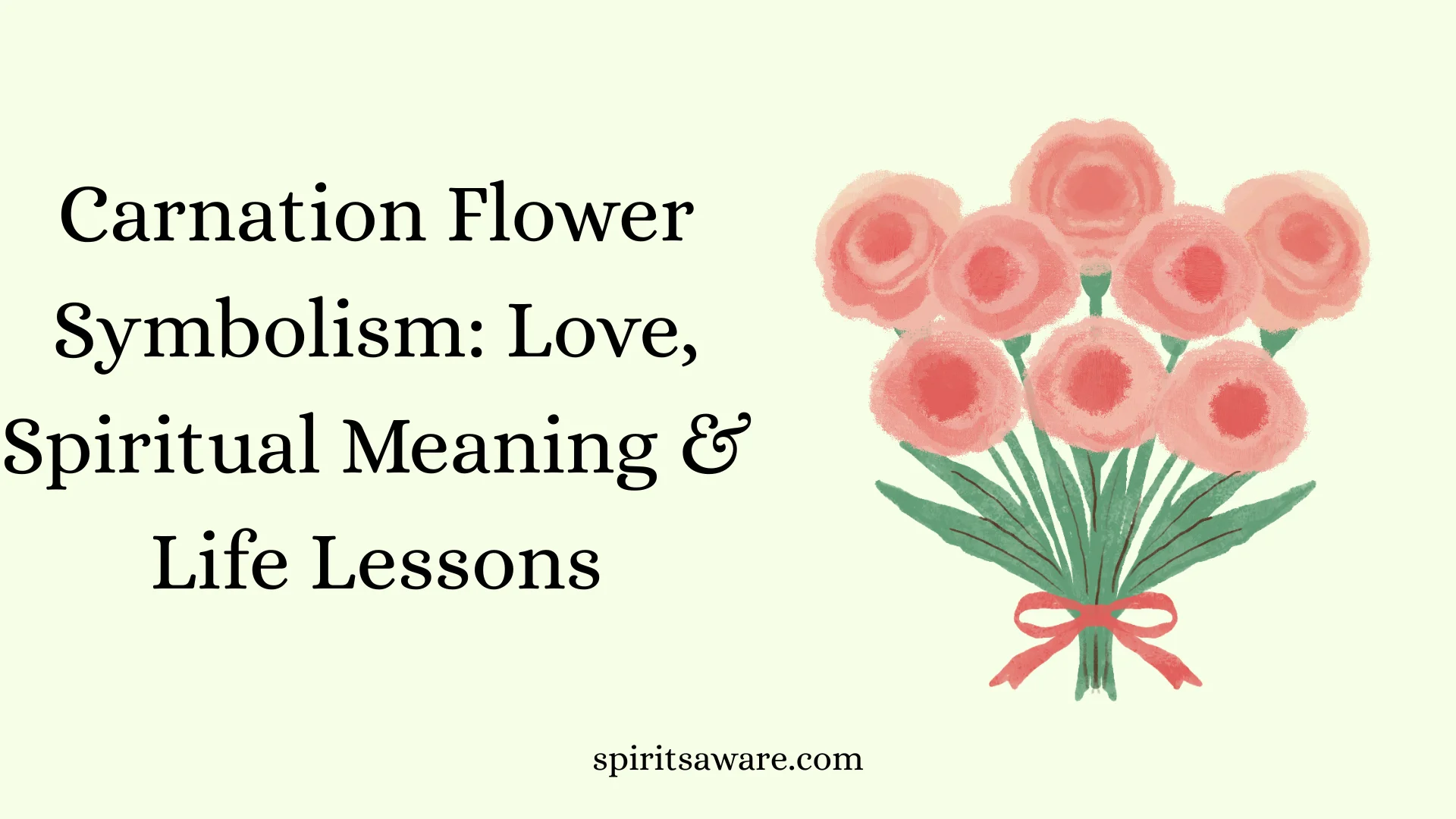
When I first held a carnation, its ruffled petals and soft, sweet fragrance instantly showed me why Carnation Flower Symbolism reflects love, devotion, and heartfelt emotion. These flowers carry centuries of meaning and symbolism, touching the heart and expressing personal feelings in bouquets, Mother’s Day gifts, and weddings, while also honoring family bonds across cultures from Ancient Greeks to modern America.
Over 2000 years, carnations have evolved from ancient rituals in Ancient Greece and Rome, using ceremonial crowns and garlands, to the Victorian language of flowers, where colour carried deeper meaning. Pink blooms recall the Virgin Mary’s tears, symbolizing motherly love and purity, while red carnations express passionate love. Their vibrant, delicate, and frilly petals make them timeless in decor, weddings, or as boutonniere accents, showing how every gesture conveys rich, heartfelt emotions.
In modern-day life, carnations inspire through literature, art, and social media posts, acting as a messenger for the human heart. From classic-cut bouquets to floral arrangements for birthdays or grand celebrations, their versatility, long-lasting freshness, and elegant blooms make them beloved. Whether in a vase, a mixed bouquet, or an elegant arrangement, the carnation flower teaches timeless lessons of love, gratitude, and devotion, combining ancient traditions with modern interpretations.
Quick Answer
Carnation Flower Symbolism: Love, Spiritual Meaning & Life Lessons centers on love, devotion, remembrance, and admiration. In the United States, carnations often represent family bonds, especially motherhood, while broader traditions link them with spiritual love, loyalty, and resilience.
TL;DR
• Carnations symbolize love, devotion, and admiration.
• In the U.S., they’re closely tied to Mother’s Day traditions.
• Different colors carry different symbolic meanings.
• Historically connected to ancient cultures and Christian symbolism.
• Today they appear in tattoos, memorials, and everyday gifts.
What Is a Carnation Flower?
Carnations are flowering plants known for their layered, frilled petals and long stems. Because they last a long time after cutting, florists often use them in bouquets and arrangements.
Appearance and Characteristics
Carnations come in many colors and shapes. Their unique look contributes to their symbolic meaning.
• Ruffled petals that resemble delicate fabric layers
• Colors including red, pink, white, yellow, and purple
• A spicy, clove-like fragrance
• Long-lasting blooms often used in bouquets
• Star-shaped flower center with dense petals
Because they remain fresh for many days, carnations are often linked with lasting affection and enduring relationships.
The Core Meaning of Carnation Flower Symbolism
Across many cultures, carnations carry similar themes. These meanings often reflect human emotions and relationships.
Key Symbolic Ideas
Carnations usually symbolize strong emotional connections.
• Deep love and admiration
• Devotion and loyalty
• Family bonds and gratitude
• Remembrance and respect for loved ones
• Enduring affection over time
In the United States especially, carnations often signal appreciation. They are commonly given to mothers, teachers, and loved ones as signs of gratitude.
Ancient Origins of Carnation Symbolism
Carnations have existed for thousands of years. Historians believe they originated around the Mediterranean region.
Early Cultural Roots
Ancient societies valued the flower both for beauty and symbolism.
• In ancient Greece, carnations appeared in ceremonial garlands
• The name comes from the Greek word “corone,” meaning floral crown
• Romans used carnations in festivals and celebrations
• Some traditions linked them to divine love and beauty
Because these flowers were durable and fragrant, they became associated with celebration and sacred occasions.
Early Symbolic Themes
Early cultures connected carnations with important ideas:
• Celebration and joy
• Honor and respect
• Sacred or divine love
These early meanings later shaped how carnations were interpreted in European and American traditions.
Carnations in Christian and Medieval Symbolism
During the medieval period, carnations gained new spiritual meaning in Europe.
Religious Symbolism
Christian art often included carnations as symbols of love and sacrifice.
• Red carnations sometimes symbolized Christ’s sacrifice
• Pink carnations became linked with motherly love
• White carnations represented purity and faithful devotion
According to tradition, pink carnations first appeared from tears of compassion. While this story is symbolic rather than historical fact, it helped shape the flower’s association with maternal love.
Carnation Symbolism in Victorian Flower Language
In the 1800s, flowers became a coded language used to express feelings.
The Victorian “Language of Flowers”
People used carnations to communicate emotions that were difficult to say aloud.
• Red carnations meant deep love or admiration
• White carnations symbolized pure love and good luck
• Pink carnations represented gratitude and affection
• Yellow carnations sometimes meant disappointment
This symbolic system spread widely through books and popular culture. Even today, many of these meanings still influence how people interpret carnations.
Carnation Flower Symbolism in the United States
In the United States, carnations gained special cultural importance during the early 20th century.
Connection to Mother’s Day
One of the most famous American traditions involving carnations comes from the founding of Mother’s Day.
The holiday’s founder chose carnations as its official flower because they represented a mother’s enduring love.
Today, carnations still appear in Mother’s Day bouquets across the country.
Common American Associations
Carnations often symbolize appreciation and family connection.
• Motherly love and gratitude
• Respect for parents and elders
• Appreciation and admiration
• Remembrance of loved ones
These meanings help explain why carnations appear in both joyful celebrations and memorial services.
Carnation Color Meanings
Different carnation colors carry slightly different symbolic messages. Color symbolism plays a large role in how people interpret flowers.
| Color | Meaning in the USA | Common Associations | Notes |
| Red | Deep love and admiration | Romance, respect | Often used in romantic bouquets |
| Pink | Gratitude and motherly love | Mother’s Day, appreciation | Most associated with maternal symbolism |
| White | Pure love and remembrance | Memorials, weddings | Symbol of sincerity and loyalty |
| Yellow | Disappointment or rejection | Mixed or complex emotions | Less commonly used symbolically |
| Purple | Creativity and uniqueness | Individuality | Often used in decorative arrangements |
These meanings are not strict rules. However, they influence how many people choose flowers for gifts or ceremonies.
Spiritual Meaning of Carnation Flowers
Beyond cultural traditions, carnations often carry deeper spiritual interpretations.
Spiritual Symbolism
Many people see carnations as reminders of emotional and spiritual values.
• Unconditional love
• Compassion and empathy
• Faithfulness in relationships
• Inner strength during hardship
• Gratitude for life’s connections
Because carnations can bloom for long periods, they also symbolize perseverance and resilience.
Emotional and Psychological Associations
Flowers often trigger emotional responses, and carnations are no exception.
Emotional Signals
Carnations frequently communicate feelings connected to relationships.
• Comfort and reassurance
• Appreciation and gratitude
• Loyalty and commitment
• Warmth and affection
Psychologically, receiving flowers like carnations can strengthen social bonds. They often signal that someone is valued or remembered.
Carnations in Modern Culture
Today, carnations appear in many modern contexts beyond traditional bouquets.
Popular Contemporary Uses
Carnation symbolism continues to evolve in everyday life.
• Floral tattoos representing love or family
• Social media posts honoring mothers or loved ones
• Decorative arrangements for celebrations
• Memorial bouquets and remembrance events
Because carnations are affordable and widely available, they remain one of the most accessible symbolic flowers.
Carnation Tattoos and Personal Symbolism
Flower tattoos often represent personal values or memories. Carnations are especially meaningful in this context.
Why People Choose Carnation Tattoos
Many people choose carnation designs for emotional or family reasons.
• Tribute to a parent or loved one
• Symbol of enduring love
• Reminder of gratitude and compassion
• Representation of resilience through hardship
Color often shapes the tattoo’s meaning. For example, a pink carnation tattoo may symbolize maternal love.
Misunderstandings and Changing Meanings
Like many symbols, carnations have meanings that shift over time.
Common Misinterpretations
Some color meanings are misunderstood today.
• Yellow carnations once symbolized rejection
• Some traditions associate striped carnations with refusal
• Modern floral design often ignores strict color symbolism
Because flower meanings evolve, many people now focus more on personal interpretation than traditional rules.
How Carnation Symbolism Has Changed Over Time
Carnation symbolism has adapted as cultures changed.
Historical Evolution
Across centuries, the flower gained new meanings while retaining old ones.
• Ancient times linked carnations to celebration
• Religious traditions emphasized love and devotion
• Victorian culture turned carnations into coded messages
• Modern culture highlights family, gratitude, and remembrance
Today, carnations represent both tradition and personal meaning.
Read More: Bee Symbolism: Spiritual Meaning, Community & Life Lessons
FAQs
Q1: What does a carnation symbolize?
A carnation symbolizes love, spiritual devotion, affection, admiration, and remembrance, depending on its colour and context.
Q2: What do different colors of carnations mean?
Pink carnations represent motherly love and purity, red shows passionate love, white signifies innocence, and yellow can symbolize gratitude or friendship.
Q3: Where do carnations originate from?
Carnations have a long history, dating back over 2000 years, originating in Ancient Greece and Rome, and have been used in ceremonial crowns, garlands, and rituals.
Q4: How are carnations used today?
Today, carnations are popular in bouquets, weddings, boutonnieres, decor, and floral arrangements, often appearing in social media posts, literature, and art.
Q5: Why are carnations considered timeless?
With their ruffled petals, frilly blooms, vibrant colours, and long-lasting freshness, carnations remain timeless, conveying rich emotions and personal expression across generations.
Q6: Can carnations carry personal messages?
Yes, carnations act as a messenger for the human heart, with every bouquet or gesture carrying love, gratitude, and devotion.
Conclusion
Carnations are more than just beautiful flowers; they carry a rich symbolism that spans centuries and cultures. From their ancient origins in Greece and Rome to modern-day bouquets, weddings, and decor, these ruffled petals and frilly blooms represent love, devotion, affection, and remembrance. Their vibrant colours, sweet fragrance, and long-lasting freshness make them a timeless choice for expressing personal feelings and honoring family bonds, holidays, or special occasions.
Whether seen in a classic-cut bouquet, an elegant arrangement, or a boutonniere, the carnation flower continues to inspire through art, literature, and modern traditions, reminding us of the lessons of love, gratitude, and spiritual devotion that endure across generations.

Hannah Collins is the voice behind Spirits Aware, sharing thoughtful perspectives on spiritual growth, awareness, and conscious living.