When I first saw a willow tree, its graceful, drooping branches spoke to me with a mix of sorrow and hope. Willow Tree Symbolism in the Bible reflects deep spiritual and emotional lessons that still resonate with people, showing resilience, divine provision, and renewal in moments of lamentation, mourning, or hardship. Through scripture, biblical passages, and prayers, the willow stands as a symbol of reflection, connecting communal themes of grief, loss, endurance, and the promise of rebirth.
Exploring Judeo-Christian traditions and modern spirituality, the willow tree emerges in art, literature, and cultural contexts, teaching universal lessons of flexibility, faith, and personal growth. Its elegant, versatile form, along with historical references, has long captivated human fascination. The branches, cuttings, and shoots symbolize adaptability, reminding us of patience, waiting, trust, and steering through delays or uncertainty in life.
Found near rivers, lakes, swamps, and floodplains in North America, Europe, and Asia, the willow teaches that spiritual lessons often come from nature itself. Its appearances in scripture, memorials, verse, and art express joy, celebration, healing, fertility, and fresh beginnings. For readers, understanding the meaning and significance of the willow encourages cultivation of faith, wisdom, and inspiration, whether in personal growth, communal reflection, or modern applications of these timeless truths.
Quick Answer
In the Bible, the willow tree symbolizes lamentation, sorrow, and deep emotional expression, especially in moments of exile or loss (like in Psalm 137), but it also carries themes of resilience, adaptability, and spiritual renewal through God’s sustaining care.
TL;DR
• Willow trees are linked with mourning and deep emotion in scripture.
• Their drooping branches visually echo lamentation and tears.
• Willows by water suggest life, sustenance, and renewal.
• They show resilience and flexibility amid adversity.
• In Jewish tradition, willow branches are part of the Feast of Tabernacles.
• Today, their symbolism blends sorrow, hope, and personal reflection.
The Willow Tree: What It Is and What It Looks Like
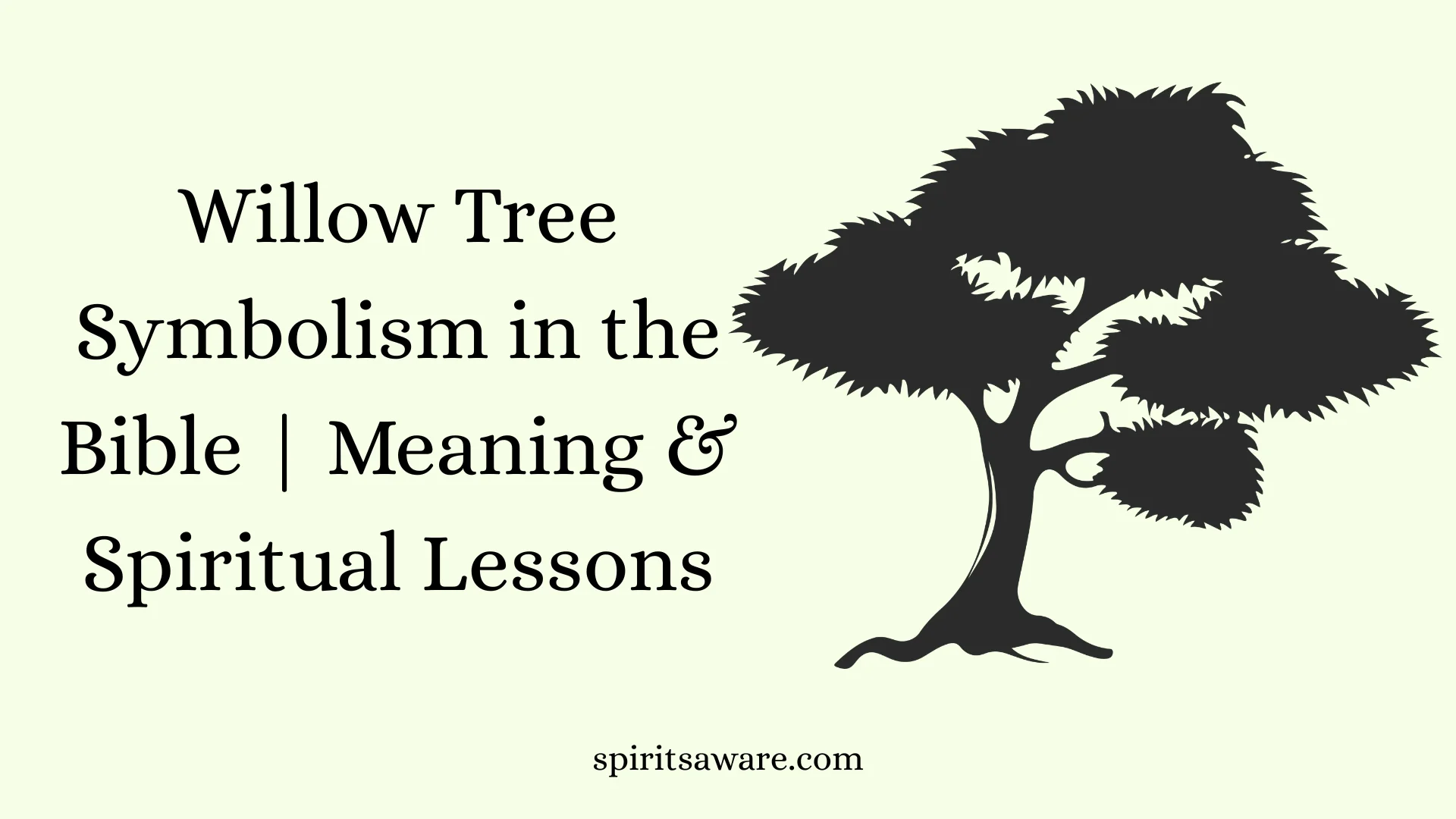
Willow trees are known for their slender, flexible branches and long, narrow leaves that often hang down toward the ground. Many people picture the weeping willow with its graceful, drooping form near rivers or lakes. Although the Bible doesn’t use the exact term weeping willow as we do today, the imagery tied to similar trees in scripture has shaped how we visualize them now.
In many regions of the ancient Near East, these trees flourished near water sources. That setting—along flowing streams or riverbanks—naturally linked them to life, sustenance, and emotional presence in people’s lived experiences.
Willow Trees in the Bible: Key Appearances
Biblical symbolism often draws not just from words but from images and settings. The willow tree appears in several striking moments:
Mourning by the Rivers of Babylon
One of the most powerful images comes from Psalm 137, where the Israelites, exiled in Babylon, sit by the river and “hang their harps on the willows.” This scene evokes deep longing, grief, and the pain of displacement.
Feast of Tabernacles (Sukkot)
In Leviticus 23:40, the willow is listed among the branches used during the Israelites’ Feast of Tabernacles—a celebration of God’s provision and thanksgiving. Here the willow contrasts its sorrowful associations with a joyful ritual context.
Prophetic Metaphor
Prophets like Isaiah use willow imagery to describe restoration and blessing: “like willows by flowing streams,” suggesting growth and flourishing under God’s care.
Symbolism in the USA: Cultural Echoes
In the United States, the willow tree symbol means more than its biblical mentions. Because of the Bible’s cultural influence, Americans often interpret willow imagery through both ancient and contemporary lenses:
- Cemeteries and Memory: The weeping willow motif is common in funerary art and grave markers, conveying mourning and remembrance.
- Literature and Poetry: American poets and writers borrow willow imagery to express sadness, introspection, and longing.
- Personal Reflection: Many people see the willow as a mirror for life’s emotional currents—mourning losses yet bending with life’s winds rather than breaking.
The tree’s presence in gardens, parks, and even tattoos can remind people of endurance through sorrow and a quiet, resilient beauty.
Cross‑Cultural and Spiritual Meanings
Beyond the Bible and American culture, willows carry symbolic threads in various traditions:
- European Folklore: Willow branches have been linked with love, loss, and romantic sorrow in ballads and Shakespeare’s plays.
- Asian Traditions: In some East Asian cultures, willow trees symbolize grace and feminine beauty.
- Celtic Lore: They’re sometimes connected with intuition and the lunar cycle.
These meanings overlap with, but don’t replace, the biblical themes of grief and renewal.
What Willow Symbolism Evokes Emotionally
In many spiritual and psychological reflections, the willow tree represents:
• Sorrow and lament: The drooping form evokes tears and inward emotion.
• Resilience: Flexible branches bending with wind speak to adaptability.
• Hope: Growth by water suggests spiritual nourishment and renewal.
• Reflection: Its serene riverside setting invites contemplation.
These layers make the willow a compelling symbol for people processing loss, hope, and endurance.
Willow Tree Meaning in Modern Use
Today, willow symbolism shows up in many places:
• Tattoo art: People choose willow motifs to represent strength through sorrow or personal growth.
• Home decor: Willow branches or prints can create calm, reflective spaces.
• Social‑media imagery: Posts about healing often use willow visuals.
• Holidays and remembrance events: The willow may appear in memorial contexts during observances like Memorial Day.
In all these, the core themes of emotional depth and quiet strength persist.
Controversies and Misunderstandings
Some misconceptions have arisen around willow symbolism:
- Weeping willow vs. biblical willow: The classic “weeping willow” form is a cultivated variety; biblical texts may refer to similar trees like poplars.
- Only sadness: Focusing solely on grief overlooks the willow’s associations with renewal and praise in scripture (as in the Feast of Tabernacles).
Cultural misuses—like reducing the symbol only to melancholy in art or decor—miss its richer biblical layers of hope alongside lament.
How Willow Symbolism Has Shifted Over Time
Historically, the willow began as a literal tree tied to water sources. In ancient Israel, its presence near rivers made it a natural witness to life’s rhythms. Biblical writers used it for emotional imagery, especially in moments of exile and longing.
Over centuries, as Christianity and culture spread, the willow took on broader meanings—mourning in art and literature, resilience in personal reflection, and emotional depth in spirituality. Today, it’s often a symbol people adopt in their own lives as a reminder of endurance and renewal.
Read More: Bird of Paradise Symbolism: Freedom, Joy & Spiritual Meaning
Symbolism Table: Willow Tree in Context
| Context | Meaning in the USA | Common Associations | Notes |
| Biblical exile (Psalm 137) | Mourning, longing | Loss, displacement | Evokes sorrow tied to memory. |
| Feast of Tabernacles | Gratitude, celebration | Renewal, blessing | Joyful ritual use. |
| Riverside setting | Life, sustenance | Water, spiritual nourishment | Growth by water. |
| Modern decor & tattoos | Personal resilience | Healing, reflection | Emphasizes adaptability. |
FAQs
Q1: What does the willow tree symbolize in the Bible?
The willow tree symbolizes resilience, divine provision, renewal, spiritual growth, and reflection during mourning, grief, or hardship.
Q2: Why are willow trees associated with sorrow?
Willows are linked with lamentation and mourning because of their graceful, drooping branches, which visually reflect sadness, loss, and emotional release.
Q3: Where are willow trees mentioned in the Bible?
The willow appears in biblical passages and scripture as a symbol of faith, patience, hope, and spiritual lessons for people navigating life’s challenges.
Q4: How do willow trees inspire personal reflection?
Through their appearance, versatile form, and timeless presence in art, literature, and Judeo-Christian traditions, willows encourage personal growth, faith, and cultivation of wisdom.
Q5: Can willow trees teach lessons beyond the spiritual?
Yes, willows also convey practical lessons about adaptability, patience, waiting, trust, and how to handle delays, uncertainty, or challenges in everyday life.
Q6: Where do willow trees naturally grow?
They thrive in low-lying areas near rivers, lakes, swamps, floodplains, streamsides, and riverbanks across North America, Europe, and Asia, showing the link between nature and spiritual lessons.
Q7: What makes the willow tree culturally significant?
The willow is part of art, memorials, verse, historical references, and cultural contexts, symbolizing healing, joy, celebration, fertility, and fresh beginnings across centuries.
Conclusion
The willow tree in the Bible stands as a powerful symbol of resilience, renewal, and divine provision, offering spiritual and emotional lessons that continue to resonate with people today. Its graceful, drooping branches reflect lamentation, mourning, and grief, yet also inspire hope, faith, and personal growth. Across biblical passages, art, literature, and cultural contexts, the willow teaches reflection, adaptability, patience, and the timeless truths of navigating hardship, embracing fresh beginnings, and cultivating wisdom.
From rivers and floodplains in North America, Europe, and Asia, to Judeo-Christian traditions and modern spirituality, the willow tree continues to captivate hearts and minds, reminding us that even in sorrow and loss, growth, joy, and renewal are always possible. Its presence encourages communal reflection, personal faith, and a deeper understanding of life’s universal lessons, making the willow a timeless emblem of hope, healing, and spiritual inspiration.

Hannah Collins is the voice behind Spirits Aware, sharing thoughtful perspectives on spiritual growth, awareness, and conscious living.