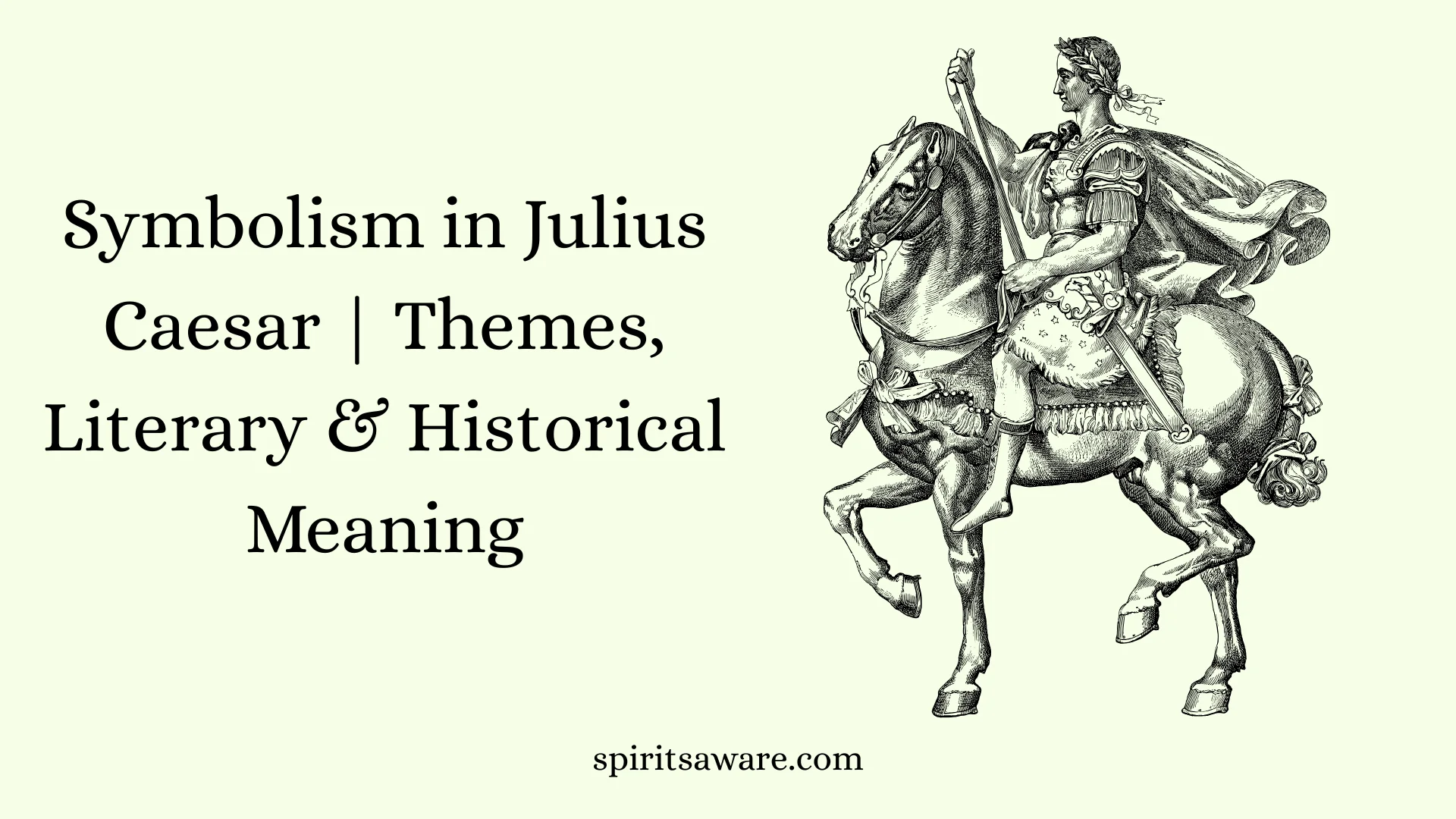
Symbolism in Julius Caesar is a deep and fascinating topic that dates back more than 400 years and still resonates today. When people talk about symbolism in Julius Caesar, they’re usually referring to how specific objects, words, actions, or events in William Shakespeare’s tragedy stand for bigger ideas like power, fate, loyalty, and betrayal. While the story comes from ancient Rome, modern readers in the United States often relate its symbols to contemporary politics, ethics, and human behavior.
In this article, we’ll unpack the major symbols and themes in Julius Caesar, trace their origins, and explain how they still shape how Americans read and understand the play. Whether you’re a student, a theatre lover, or just curious about how symbolism works, you’ll find clear explanations and lasting meanings here.
Quick Answer
What does Julius Caesar symbolize?
At its heart, Julius Caesar uses people and events as symbols to explore ambition, power, fate versus free will, loyalty and betrayal, and the cost of political action. Characters like Caesar and Brutus embody ideas about leadership and conscience, while objects and moments like the Ides of March and storms intensify these themes.
TL;DR
• Caesar’s ambition symbolizes power and hubris.
• The Ides of March symbolizes fate and warning.
• Blood and assassination represent betrayal and consequence.
• Storms and omens highlight chaos and divine signs.
• The crown symbolizes authority and political fear.
• Brutus represents moral conflict and idealism.
What Is Julius Caesar and Why Symbolism Matters
Before we dive into symbols, it’s helpful to know what Julius Caesar is. It’s a tragedy by William Shakespeare, likely first performed in 1599, based on the real political events leading up to and following the assassination of the Roman leader Julius Caesar.
More than a history play, Julius Caesar uses events and characters as symbols to explore universal questions about politics, ethics, and human choice. Symbols help the audience think about what these events mean beyond their surface action.
The Ides of March: Fate, Warning, and Inevitability
The phrase “Beware the Ides of March” is one of the most famous symbols in all of literature. In the play, a soothsayer gives Caesar this warning, and Caesar ignores it.
Symbolic Layers
• Calendar and Fate: The Ides were just a day on the Roman calendar, but in the play they become a symbol of impending doom.
• Ignored Warnings: Caesar’s dismissal of the warning highlights his arrogance and belief in his own destiny.
• Inevitability: By turning a date into a symbol, Shakespeare emphasizes the tension between fate and human choice.
The Crown: Power, Ambition, and Perception
In Julius Caesar, Caesar is offered a crown three times and refuses it each time. On its face, this looks humble. But for the conspirators, the offer symbolizes something very different.
What the Crown Stands For
• Ambition and Authority: The crown becomes shorthand for Caesar’s potential to seize absolute power.
• Fear of Tyranny: Brutus and Cassius worry that accepting a crown would end the Roman Republic.
• Political Image vs. Reality: The moment shows how perception shapes political conflict.
Blood: Violence, Betrayal, and Consequence
The assassination scene is shocking not just because of what happens but how it’s described. Blood becomes a physical symbol of betrayal, guilt, and irreversible change.
• Betrayal Realized: Caesar’s death is a moment of irreversible violence that changes Rome forever.
• Shared Guilt: The conspirators bathe their hands in Caesar’s blood, a symbolic act showing collective responsibility.
• Consequences of Choice: Blood reminds us that political action has real human cost.
Storms, Omens, and the Supernatural
Shakespeare peppers Julius Caesar with nature’s reactions — storms, strange animal sightings, and warnings from beyond. These are not random; they are symbols.
• Chaos Outside and Within: Tempests mirror the political turmoil gripping Rome.
• Divine Warning: Characters see bad weather as a sign that the gods are displeased.
• Conflict of Beliefs: Some interpret omens as real warnings; others see them as superstition.
Characters as Symbolic Figures
Beyond objects and events, many characters are symbolic in Julius Caesar.
Caesar
Caesar symbolizes the promise and danger of absolute power — strong leader, but also a threat to the republic’s balance.
Brutus
Brutus symbolizes internal moral struggle. He loves Caesar as a friend but fears tyranny, making him one of literature’s most complex figures.
Cassius
Cassius is a symbol of ambition fueled by jealousy and persuasion.
The Theme of Fate vs. Free Will
One of the play’s big ideas is whether humans control their destiny or are shaped by fate. The symbols of omens and warnings feed directly into this debate.
• Fate: The Ides of March and supernatural signs imply a predetermined end.
• Choice: Characters still make decisions — some tragic — showing human agency.
This tension resonates with readers because it reflects everyday questions about life’s unpredictability and personal responsibility.
Why Americans Care: Symbolism in the USA
In the United States, Julius Caesar remains a staple of literature classes and civic discourse because its symbols speak to timeless concerns:
• Political Power and Accountability: The fear of unchecked leadership.
• Public vs. Private Good: What’s right for the individual vs. what’s right for the people.
• Rhetoric and Persuasion: How language shapes public opinion.
These topics connect directly to ongoing American discussions about leadership, democracy, and responsibility.
Modern Usage and Interpretation
Today, symbols from Julius Caesar appear beyond the stage and classroom:
• “Et tu, Brute?” is used to describe deep betrayal in everyday speech.
• The Ides of March is shorthand for warning signs or impending trouble.
• “The dogs of war” can describe unleashed conflict or chaos.
These phrases have crossed into modern culture because they capture emotional truth in few words.
Misunderstandings and Controversies
Not all symbols in Julius Caesar come with clear meaning — nor do they always stay the same.
• Historical vs. Shakespearean: Some lines, like “Et tu, Brute?”, may not have been spoken by the real Caesar.
• Misread Omens: Modern readers sometimes see omens as just plot devices rather than deeply symbolic elements.
• Political Appropriation: Some political groups misuse the play’s imagery to justify extreme actions, missing its warnings about unintended consequence.
Context matters, and Julius Caesar itself warns against rash interpretation.
Read More: Tarantula Symbolism: Spiritual Meaning, Strength & Transformation
Table: Key Symbols and Meanings in Julius Caesar
| Symbol | Meaning in the Play | Broader Theme | Notes |
| Ides of March | Fate & warning | Destiny vs. choice | Caesar ignores prophetic advice. |
| Crown | Power & ambition | Leadership and fear | Sparks conspiracy. |
| Blood | Betrayal & consequence | Violence & guilt | Shared guilt among conspirators. |
| Storms | Chaos & unrest | Natural order vs. human action | Characters interpret divinely. |
| Ghost | Guilt & fate | Psychological cost | Brutus confronts conscience. |
FAQs
What is the main symbolism in Julius Caesar?
The play uses objects, actions, and characters to represent ambition, fate, loyalty, and political consequence. These symbols deepen the tragic impact of Caesar’s assassination.
Why is the Ides of March important symbolically?
It symbolizes a turning point and warning that fate cannot be escaped, especially when ignored.
What does Caesar’s ghost symbolize?
The ghost represents guilt, looming consequences, and the psychological cost of betrayal.
How does the crown function as a symbol?
It stands for power and fear of tyranny, even when it appears humble.
Why do storms appear so often in the play?
Storms symbolize political and moral chaos, reflecting the disorder caused by human ambition.
Conclusion
Symbolism in Julius Caesar shows us how Shakespeare turned a historical event into a powerful exploration of power, choice, fate, and human conflict. From the Ides of March to the blood spilled on the Senate floor, each symbol adds depth and invites reflection. Even today in the United States, these symbolic elements help readers think about leadership, ethics, and the consequences of action. The play’s rich symbolism continues to speak across centuries because it captures truths about human nature that still matter.

Hannah Collins is the voice behind Spirits Aware, sharing thoughtful perspectives on spiritual growth, awareness, and conscious living.