Every year in June, the Northern Hemisphere reaches a turning point. The sun appears at its highest place in the sky, and daylight stretches longer than any other day. This moment is known as the summer solstice.
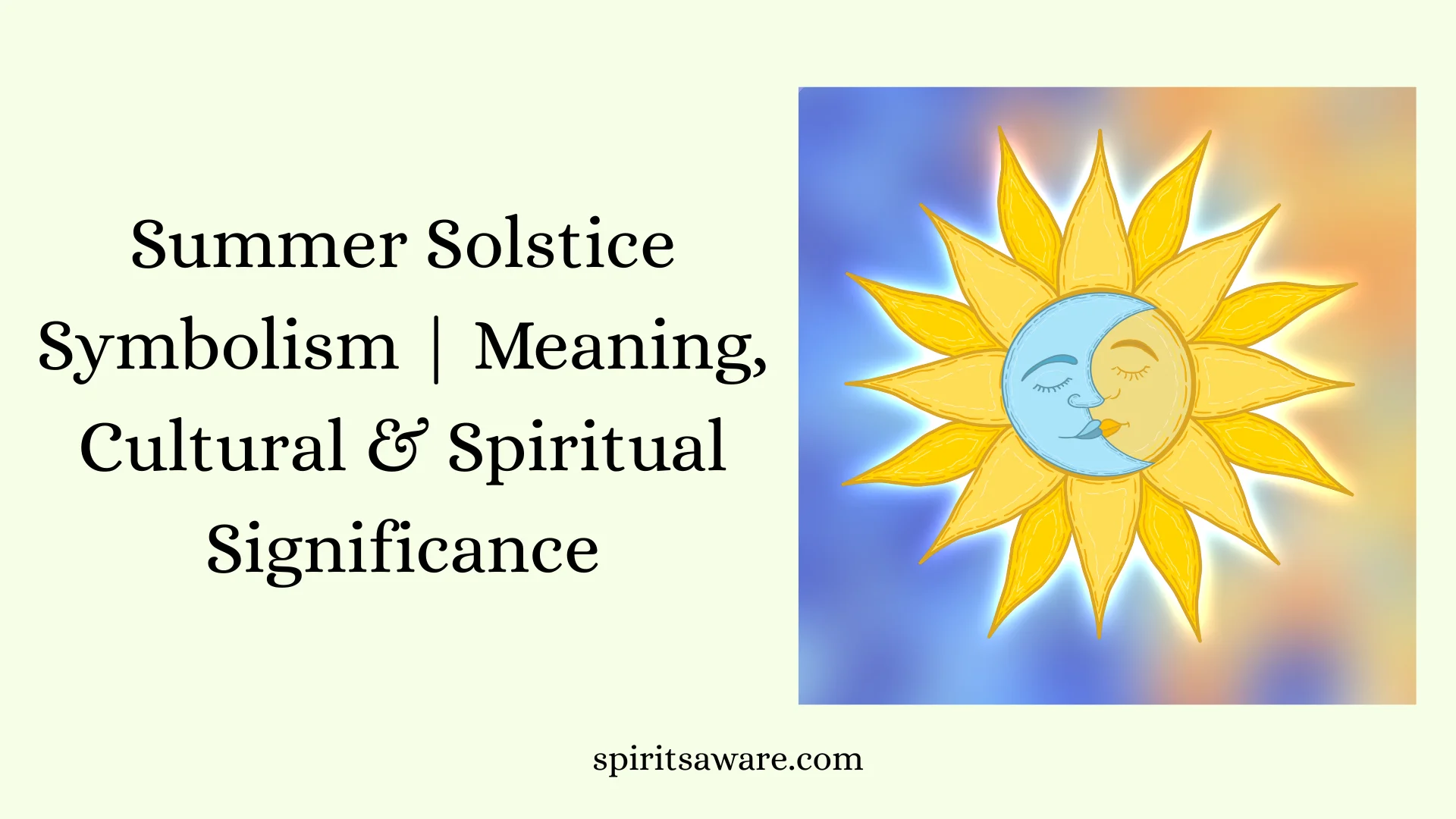
Summer Solstice Symbolism | Meaning, Cultural & Spiritual Significance centers on light, fullness, and peak energy. In the United States, it’s often linked to sunshine, growth, and the official start of summer. However, its meaning runs far deeper than weather reports.
For thousands of years, people have treated this day as sacred. They built monuments, held festivals, and told stories about the sun’s power. Today, Americans celebrate it in ways both ancient and modern—through yoga gatherings, bonfires, and quiet moments at sunset.
Quick Answer
In the United States, Summer Solstice Symbolism | Meaning, Cultural & Spiritual Significance represents peak light, vitality, and abundance. It marks the longest day of the year and symbolizes growth, joy, and life at full strength. Across cultures, it also reflects spiritual illumination and the turning point of the seasonal cycle.
TL;DR
• Longest day of the year in June
• Symbolizes light, vitality, and abundance
• Rooted in ancient sun-centered rituals
• In the USA, linked to summer’s start
• Spiritually tied to illumination and growth
• Represents a turning point in nature’s cycle
What Is the Summer Solstice?
The summer solstice happens when Earth’s tilt positions the Northern Hemisphere closest to the sun. As a result, we experience the most daylight of the year, usually around June 20–21.
How It Appears in Nature
On this day, the sun rises early and sets late. Shadows are shorter at noon. The air often feels warm and bright, especially across much of the United States.
Common visual symbols include:
• A radiant golden sun at its highest point
• Circular shapes representing wholeness
• Bonfires symbolizing solar power
• Flower crowns made of seasonal blooms
• Stone circles aligned with sunrise
Because the day feels expansive and full, many people see it as nature’s high point.
Historical Origins of Summer Solstice Symbolism
Long before modern calendars, ancient societies tracked the sun carefully. The solstice was not just seasonal—it was sacred.
Ancient Monuments and Solar Alignment
One of the most famous solstice sites is Stonehenge. Built thousands of years ago, its stones align with the sunrise at the summer solstice. Even today, visitors gather there each June to watch the sun rise between the stones.
Similarly, ancient Egyptians aligned temples with the sun. In Mesoamerica, civilizations built pyramids to mark solar cycles.
These sites show that the solstice symbolized:
• Cosmic order and harmony
• The sun’s life-giving force
• Divine timing and balance
• Humanity’s connection to the sky
Pre-Christian European Traditions
In northern Europe, midsummer festivals included dancing, feasting, and lighting large fires. Bonfires were believed to strengthen the sun’s power.
Later, as Christianity spread, many solstice celebrations blended into the feast of St. John the Baptist on June 24. However, the solar symbolism remained underneath.
Summer Solstice Symbolism in the United States
In the USA, the solstice isn’t a federal holiday. Still, its symbolism shapes how Americans think about summer.
The Official Start of Summer
For many Americans, the solstice marks the beginning of:
• School vacations
• Outdoor festivals
• Beach trips and barbecues
• Seasonal markets and fairs
Although meteorologists may define summer differently, culturally the solstice feels like the true start.
Modern American Interpretations
Today, Americans often view the solstice as:
• A celebration of sunlight and warmth
• A time for personal renewal
• A moment to pause and reflect
• A reason to gather outdoors
Because American culture values optimism and forward movement, the longest day naturally fits themes of growth and opportunity.
Spiritual Meaning of the Summer Solstice
Beyond seasonal change, the solstice carries spiritual meaning for many people.
Light as Illumination
Spiritually, light often symbolizes awareness and truth. Therefore, the longest day can represent clarity.
Many spiritual practitioners see it as a time for:
• Setting intentions
• Releasing emotional heaviness
• Expressing gratitude
• Connecting with nature
In yoga communities, June 21 is also celebrated as International Day of Yoga. Group sun salutations are common across US cities.
Pagan and Earth-Based Traditions
Modern Pagan and Wiccan groups call the solstice “Litha.” It honors the sun at its strongest point.
However, most American celebrations are personal and symbolic rather than religious.
Cross-Cultural Celebrations of Midsummer
Although the focus here is the USA, midsummer traditions appear worldwide.
In Sweden, Midsummer includes dancing around a maypole. In parts of Eastern Europe, flower wreaths float on rivers. Meanwhile, Indigenous cultures in North America have long honored seasonal cycles.
Across cultures, themes repeat:
• Fertility and abundance
• Protection through fire
• Solar strength
• Community bonding
Because the sun is universal, solstice symbolism feels shared across humanity.
Emotional and Psychological Symbolism
Seasonal light affects mood. Therefore, the solstice can feel energizing.
Psychologically, it represents:
• Confidence at its peak
• Joy and celebration
• Expansion and openness
• Achievement and completion
However, it also marks a subtle shift. After the solstice, days slowly shorten. This creates a bittersweet layer: even at our brightest, change is coming.
This dual meaning—celebration and turning point—adds emotional depth.
Symbols Associated With the Summer Solstice
Certain images appear again and again in solstice art and rituals.
Common Solstice Symbols
• The sun wheel or solar cross
• Bonfires and candles
• Sunflowers turning toward light
• Oak leaves representing strength
• Honey and herbs for sweetness and healing
These symbols reinforce warmth, power, and fullness.
Summer Solstice in American Pop Culture
In the United States, the solstice appears quietly in media and lifestyle trends.
It shows up in:
• Wellness retreats
• Outdoor music festivals
• Social media sunset photos
• Astrology-themed gatherings
• Nature-inspired home decor
For example, hashtags about the solstice trend each June. Many posts focus on golden-hour photography and reflective journaling.
Tattoos and Personal Symbolism
Some people choose solstice-themed tattoos to mark transformation.
Popular designs include:
• Minimalist sun circles
• Floral crowns
• Radiating line patterns
• Dates marking June 20 or 21
For many Americans, these tattoos symbolize personal growth or a life turning point.
Misunderstandings and Controversies
Although generally positive, the solstice can be misunderstood.
Paganism and Public Perception
Some assume solstice celebrations are anti-Christian. Historically, that’s not accurate. Many Christian traditions incorporated seasonal festivals rather than erasing them.
Commercialization
As wellness culture grows, solstice events can become commercialized. Critics argue that ancient spiritual meaning gets diluted. However, others see modern gatherings as simple appreciation of nature.
It’s helpful to separate respectful celebration from cultural appropriation. Intent and understanding matter.
How Summer Solstice Meaning Has Shifted Over Time
The solstice once marked survival. Crops depended on sun and timing. Today, most Americans don’t rely directly on seasonal farming cycles.
As a result, symbolism shifted:
• From survival to celebration
• From agriculture to lifestyle
• From ritual necessity to personal choice
• From sacred calendar to seasonal marker
Yet the core meaning—light at its peak—remains steady.
Summer Solstice Symbolism at a Glance
Below is a summary of how the solstice functions symbolically in different American contexts.
| Context | Meaning in the USA | Common Associations | Notes |
| Seasonal Marker | Start of summer | Sunshine, vacations | Cultural, not legal |
| Spiritual Practice | Illumination, intention | Yoga, meditation | Personal, not required |
| Emotional Symbol | Joy and expansion | Golden sunsets | Often reflective |
| Nature-Based Living | Harmony with cycles | Gardening, herbs | Eco-conscious focus |
| Personal Milestones | Growth turning point | Tattoos, journaling | Individual meaning |
Is the Summer Solstice Lucky?
Many people ask if the solstice brings luck. Traditionally, it symbolized blessing and protection.
Bonfires were believed to ward off harm. Flower garlands represented good fortune.
In modern America, “luck” is less literal. Instead, people see it as an ideal day to begin new projects or celebrate progress.
Why Do People Light Bonfires on the Solstice?
Bonfires amplify the sun’s power symbolically. Fire mirrors solar energy.
Historically, communities believed flames strengthened crops and protected villages. Today, bonfires create warmth, unity, and shared experience.
The fire reminds us of brightness even after sunset.
Read More: Coyote Symbolism in Native American Culture | Spiritual & Cultural Meaning
FAQs
What does the summer solstice symbolize spiritually?
Spiritually, it symbolizes illumination, gratitude, and growth. Many people see it as a time to set intentions and honor life’s abundance.
Is the summer solstice a pagan holiday?
It has Pagan roots, but it’s not exclusively pagan today. Many people celebrate it in secular or personal ways.
Why is the summer solstice important in the USA?
It marks the longest day of the year and the cultural start of summer. It also inspires outdoor events and wellness gatherings.
Does the summer solstice have religious meaning?
For some traditions, yes. However, in modern America, it’s usually symbolic rather than strictly religious.
How is the summer solstice different from midsummer?
In many places, the terms overlap. Technically, the solstice is an astronomical event, while midsummer refers to cultural celebrations.
Conclusion
At its heart, Summer Solstice Symbolism | Meaning, Cultural & Spiritual Significance is about light at its fullest expression. It represents vitality, joy, and a powerful turning point in the natural year.
In the United States, it signals sunshine, freedom, and possibility. Yet it also connects modern life to ancient rhythms that once guided entire civilizations.
When you watch the sun linger in the sky on the longest day of the year, you’re witnessing more than astronomy. You’re stepping into a symbol that has carried hope, energy, and meaning for thousands of years.

Amelia Brooks is the visionary behind Spirits Aware, dedicated to guiding others on their journey of spiritual awakening and conscious living. Through insight, intuition, and experience, she shares empowering wisdom to help you reconnect with your inner truth.