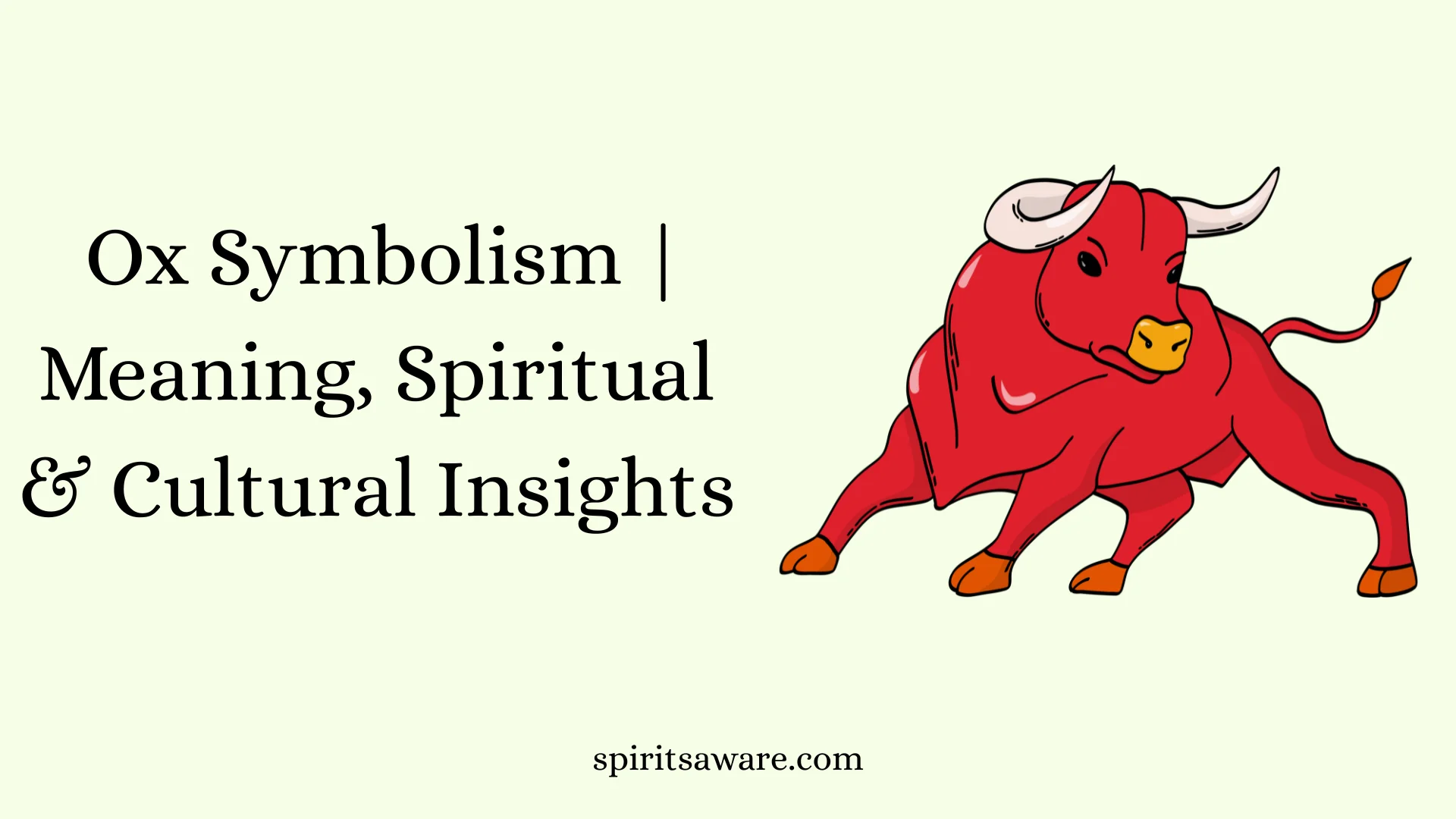
The ox—a powerful, steady, and enduring animal—has long carried meaning beyond just its place in nature. From ancient fields where it drew plows to roadside statues in the American Midwest, people have looked at the ox and seen more than muscle and bone. In this article we unpack Ox Symbolism | Meaning, Spiritual & Cultural Insights to show what this animal has meant throughout history and what it still represents in the United States today.
Across cultures, the ox has stood for strength, patience, and service. In the USA, it also embodies hardworking spirit and the frontier imagination. Whether in folklore or personal expression, ox symbolism invites us to reflect on what it means to endure, to contribute, and to stay grounded in our values.
Quick Answer
What does ox symbolism mean?
In the USA and beyond, the ox symbolizes strength, diligence, patience, and endurance. It recalls agricultural roots, hardworking character, and steady progress while also appearing in folklore, spiritual metaphors, and personal identity narratives.
TL;DR
• Symbol of strength, perseverance, patience, and steadfastness
• Represents labor and service in agrarian and American contexts
• Appears in folklore like Paul Bunyan and Babe the Blue Ox
• Spiritual meanings include humility, endurance, and grounding
• Seen in tattoos, décor, and popular media
• Tied to cultural zodiac and global traditions (e.g., Year of the Ox)
• Can be misused in oversimplified or caricatured ways
What the Ox Looks Like and Where We See It
The ox isn’t a separate species but a domesticated bovine trained for heavy labor—especially pulling plows and loads. Physically, it’s bulky, muscular, with strong shoulders and a calm, measured gait. While not as flashy as predators like lions or eagles, its form communicates endurance and groundedness.
In modern culture, we see ox imagery in everything from Chinese zodiac art to American folk statues. In the USA, perhaps the best‑known representation is the legendary Babe the Blue Ox, companion to folk hero Paul Bunyan—usually depicted huge and vibrant in roadside art and popular books.
Historical Origins: From Fields to Folklore
Ancient and Pre‑Industrial Roots
Humans first domesticated cattle tens of thousands of years ago. In fertile river valleys, oxen became essential for turning soil and transporting goods. Their constant role in agriculture made them symbols of productivity, sustenance, and community survival.
Across many ancient cultures:
• In early agrarian societies, the ox stood for fertility and the life‑giving cycles of nature.
• In Chinese tradition, the ox earns a place in the zodiac and folk stories.
• In ancient Near Eastern art and myth, bovines often accompany gods or represent cosmic strength.
The Bible and Western Traditions
In Judeo‑Christian texts, the ox appears as an emblem of labor and service. In agricultural commandments, we see the ox at work in the field, symbolizing steadfast effort and just treatment.
The Ox in American Symbolism and Culture
While the ox doesn’t appear on national emblems like the eagle or the stars, it still holds meaningful space in American thought:
Paul Bunyan and Babe the Blue Ox
The most iconic ox in US folklore isn’t a real animal at all but Babe the Blue Ox—larger than life and as steady as the forests Paul Bunyan wandered. This ox symbolizes:
• Frontier strength and rugged endurance
• Hard work and camaraderie
• Creative storytelling rooted in logging history
This figure emerged in lumber camp tales and was popularized through early 20th‑century writing, art, and roadside attractions that celebrate American mythic landscapes.
Everyday American Use
In the USA, ox imagery also appears in:
• State fairs and agricultural art celebrating rural life
• Tattoos expressing tenacity or grounded strength
• Decorative motifs in rustic design themes
• School mascots or community events tied to hardworking values
Cross‑Cultural and Spiritual Meanings
Beyond the USA, the ox holds rich meanings:
Chinese Culture & Zodiac
In Chinese astrology, the ox represents diligence, patience, and honesty. People born in an Ox year are traditionally seen as dependable and persistent.
Hindu and Eastern Traditions
In Hindu symbolism, the bull associated with Shiva (Nandi) embodies strength and devotion. In Buddhist metaphors, the ox sometimes represents the untamed mind being guided by discipline.
African and Indigenous Perspectives
Various African cultures see the ox as a marker of wealth and social standing, tied to rituals and community traditions. Some Indigenous American groups incorporate bovine strength and resilience into storytelling and spiritual reflection.
Emotional and Psychological Associations
A symbol like the ox connects with deep psychological themes:
• Steadfastness: Staying calm and persistent when challenges come.
• Responsibility: Being reliable and committed to tasks and others.
• Grounding: A reminder to stay rooted in values and reality.
• Humility: Strength used without need for showiness.
These associations make the ox a comforting figure for those seeking discipline or long‑term focus in life.
Modern Usage and Popularity
Today, ox symbolism appears in many areas:
• Tattoos that denote resilience or personal growth.
• Interior décor featuring rustic or agrarian themes.
• Social media memes celebrating steady progress.
• Holiday art during Lunar New Year among Asian American communities.
In contemporary spiritual or personality symbolism, the ox often stands for a “steady soul”—someone who doesn’t seek the spotlight but reliably carries the load.
Misunderstandings, Misuse, and Shifting Meanings
While generally positive, ox symbolism can be misunderstood:
• Some global metaphors exaggerate “stubbornness” as negative, rather than framing it as persistence.
• Pop culture sometimes exaggerates traits (e.g., calling someone an “ox” to imply brutishness) without nuance.
• Simplistic zodiac stereotypes overlook the complexity of individuals beyond animal symbols.
Understanding these nuances helps avoid flattening rich cultural meanings into clichés.
Read More: Jewelry Symbolism: Meaning, Spiritual Significance & Cultural Importance
Ox Symbolism Comparison Table
| Context | Meaning in U.S. | Common Associations | Notes |
| Paul Bunyan Folklore | Strength, rural mythic spirit | Endurance, frontier life | Heavy storytelling role |
| American Farming History | Labor, agriculture heritage | Sustenance, productivity | Less dramatic but foundational |
| Chinese Zodiac | Diligence, patience | Honesty, steady progress | Widespread among Chinese Americans |
| Spiritual/Personal | Grounding, resilience | Inner strength, service | Used in tattoos & art |
FAQs
What does the ox symbol generally represent?
The ox symbolizes strength, steadiness, diligence, and patience across many traditions. It recalls physical power but also moral qualities like reliability and perseverance.
Why is Babe the Blue Ox important in American culture?
Babe represents hardworking spirit and the mythic imagination of the North American frontier, especially in lumberjack tales tied to Paul Bunyan.
Is ox symbolism spiritual or just cultural?
It’s both. Some people view it as a cultural symbol of work and character, while others see deeper spiritual meaning tied to grounding and patience.
Does the ox mean the same thing in all cultures?
No. While many meanings overlap (like strength and labor), specific symbolism varies by tradition—such as zodiac traits in East Asia or sacred associations in Hindu belief.
How do Americans use ox symbolism today?
Americans use it in storytelling, décor, tattoos, community events, and personal reflection to express themes of resilience, responsibility, and slow steady progress.
Conclusion
The ox is more than an animal of burden. From the fields of ancient societies to the tall tales of North America, it stands for steady strength, patient work, and dependable character. Ox Symbolism | Meaning, Spiritual & Cultural Insights shows us how this quiet but powerful symbol continues to resonate—reminding us that endurance and humility often matter most in the long run. Whether in folklore, spiritual reflection, or everyday expression, the ox encourages us to forge ahead without losing sight of what keeps us grounded.

Hannah Collins is the voice behind Spirits Aware, sharing thoughtful perspectives on spiritual growth, awareness, and conscious living.