Ladybug symbolism has charmed people for centuries. With its bright red shell and neat black spots, the tiny beetle feels friendly and safe. In the United States, it’s often seen as a sign of luck, protection, and gentle change.
But the meaning goes deeper. Across history, ladybugs have been linked to spiritual protection, farming blessings, and even the Virgin Mary. Today, they show up in tattoos, baby clothes, garden art, and social media posts about hope.
So what does this small insect really symbolize? And why does it still matter in American culture in 2025–2026?
Quick Answer
Ladybug Symbolism: Spiritual Meaning, Luck & Transformation centers on good luck, protection, and positive change in the USA. Many Americans see a ladybug as a sign that things are about to improve. Spiritually, it can also represent divine care, renewal, and gentle transformation.
TL;DR
• Ladybugs symbolize luck and protection in the USA.
• Their red color connects to love and vitality.
• Historically linked to the Virgin Mary in Europe.
• Spiritually, they suggest gentle transformation.
• Today, common in tattoos, decor, and children’s themes.
• Rarely controversial, but sometimes commercialized.
What Is a Ladybug? Appearance and Natural Traits
Before exploring symbolism, it helps to understand what a ladybug actually is. In scientific terms, the common red ladybug is known as Coccinella septempunctata. In the United States, people often call it a “ladybug,” though it’s technically a beetle.
Physical Features
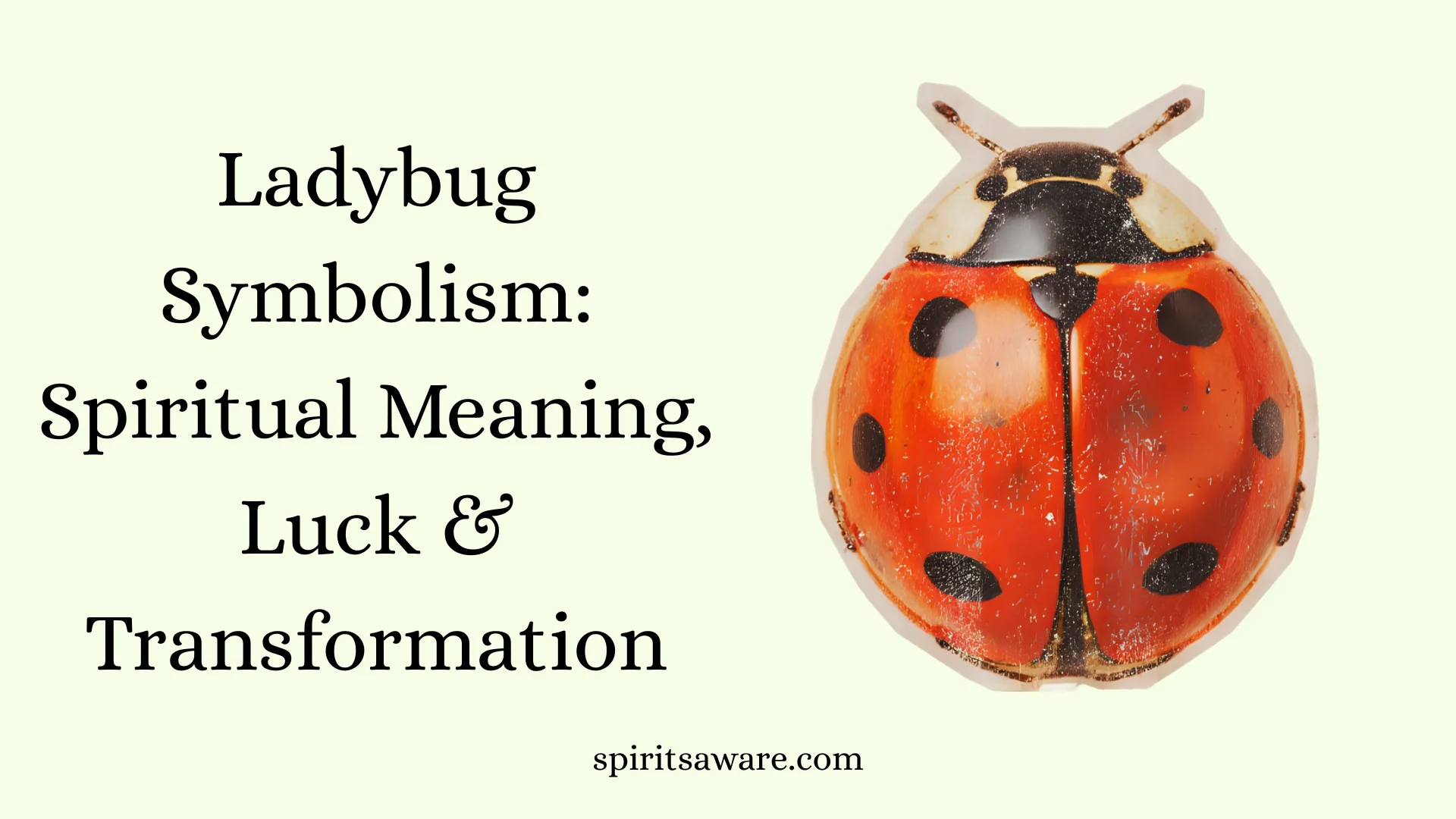
The classic American image includes:
• Bright red or orange wing covers
• Black spots, often seven
• Small, rounded dome-shaped body
• Tiny black legs and short antennae
Because of its smooth shape and bold color, the ladybug feels harmless. Unlike spiders or wasps, it rarely causes fear. That emotional reaction shapes its symbolism.
Why Its Look Matters
Red is a powerful color. It suggests energy, love, and life. Meanwhile, the black spots add contrast and uniqueness. Together, they create a balanced, almost cheerful design.
As a result, the ladybug becomes a natural symbol of joy and gentle strength.
Historical Roots of Ladybug Symbolism
Ladybug symbolism didn’t start in modern America. Its deeper meanings began in Europe during the Middle Ages.
Connection to the Virgin Mary
In medieval Europe, farmers prayed to the Virgin Mary to protect crops from pests. When ladybugs appeared and ate harmful insects like aphids, people saw it as a miracle.
They called the insect “Our Lady’s beetle.” Over time, that became “ladybird” in the UK and “ladybug” in America.
The red shell was said to represent Mary’s cloak. The black spots were sometimes linked to her sorrows.
Agricultural Protection
Because ladybugs eat crop-destroying insects, they became symbols of:
• Divine protection over harvests
• Blessings for farmers
• Natural balance and harmony
• Relief during hard seasons
Even today, gardeners in the United States welcome ladybugs as helpful allies.
Ladybug Symbolism in the United States
In the USA, ladybug symbolism focuses less on religion and more on luck and positivity. The insect feels wholesome and family-friendly.
A Symbol of Good Luck
Many Americans believe:
• If a ladybug lands on you, luck is coming
• The number of spots predicts months of good fortune
• Releasing a ladybug brings wishes to life
• Seeing one signals positive change
Although these beliefs aren’t scientific, they remain popular. Parents often pass them to children as gentle traditions.
A Cultural Favorite
Ladybugs appear widely in American culture:
• Children’s books and cartoons
• Baby clothing and nursery decor
• Garden-themed home accessories
• Spring and summer festival designs
Because it’s harmless, the ladybug feels safe for all ages. That helps keep its symbolism positive.
Spiritual Meaning of Ladybugs
Beyond luck, many people see ladybugs as spiritual messengers. In modern American spirituality, especially in holistic or nature-based communities, they suggest alignment and protection.
Signs of Divine Care
Some interpret a ladybug sighting as:
• A reminder you’re supported
• A sign prayers were heard
• Gentle encouragement to trust life
• Comfort during emotional stress
Unlike dramatic symbols, the ladybug suggests subtle reassurance.
Transformation and Growth
Because ladybugs undergo metamorphosis, they also symbolize:
• Personal transformation
• Quiet inner change
• Renewal after hardship
• Emerging stronger than before
However, their change is not flashy. Instead, it feels calm and steady.
Ladybug Symbolism and Love
Ladybugs often connect to romance and affection in American folklore.
Why Love?
The reasons are simple:
• Red is the color of passion
• Their soft shape feels gentle
• They appear in warm seasons
• They don’t threaten or harm
As a result, ladybug imagery sometimes appears on Valentine’s cards or wedding decor.
Some believe if a ladybug lands on you, love is near. While playful, the idea persists in social media trends.
Emotional and Psychological Associations
Symbols work because of how they make us feel. In psychology, ladybugs trigger positive emotions.
Common Emotional Signals
• Innocence and childhood joy
• Safety and protection
• Hope during uncertainty
• Lightness in heavy times
Because they’re small and harmless, they don’t trigger fear. Instead, they suggest balance between fragility and resilience.
Archetypal Meaning
On a deeper level, the ladybug reflects a simple truth: small forces can create big change. That idea resonates strongly in American culture, which values individual impact.
Ladybug Symbolism in Tattoos
Ladybug tattoos are common across the United States. They’re small, colorful, and meaningful without being intense.
Popular Tattoo Meanings
• Good luck charm
• Memorial symbol for a loved one
• Sign of personal rebirth
• Reminder to stay hopeful
They’re often placed on wrists, ankles, or behind the ear.
Unlike darker insect tattoos, the ladybug rarely carries aggressive symbolism. It remains gentle and optimistic.
Ladybugs in Home Decor and Fashion
Ladybug imagery shows up in everyday American life.
Where You’ll See It
• Garden statues and stepping stones
• Kitchen towels and spring decor
• Children’s backpacks and rain boots
• Seasonal porch decorations
Because they connect to spring, they often symbolize fresh starts and outdoor renewal.
In fashion, ladybug prints feel playful. They’re common in children’s clothing but also appear in retro designs for adults.
Cross-Cultural Meanings of Ladybugs
Although the American meaning centers on luck, other cultures add depth.
European Beliefs
In parts of Germany and France, ladybugs are still seen as blessings from heaven. Killing one is considered bad luck.
Asian Interpretations
In some Asian traditions, ladybugs connect to romance. A belief suggests they fly to your true love and whisper your name.
These meanings differ slightly, yet they share themes of protection and good fortune.
Ladybug Symbolism at a Glance
Below is a quick comparison of how ladybugs are viewed in different contexts.
| Context | Meaning in the USA | Common Associations | Notes |
| Childhood | Innocence and joy | Storybooks, toys | Strong positive tone |
| Gardening | Protection and balance | Pest control | Based on real behavior |
| Spirituality | Gentle guidance | Signs from universe | Popular in holistic circles |
| Love & Romance | Sweet affection | Spring, red color | Lighthearted symbolism |
| Tattoos | Luck and rebirth | Personal milestones | Often small designs |
This range explains why the ladybug remains widely loved.
Misunderstandings and Modern Shifts
Ladybugs are rarely controversial. However, there are small shifts worth noting.
Confusion With Other Beetles
In the United States, the invasive Asian lady beetle looks similar. Unlike classic ladybugs, they sometimes bite or invade homes.
Because of this, some people feel annoyed rather than lucky. Still, the symbolic meaning usually remains positive.
Commercial Overuse
Ladybugs appear on many products. As a result, some critics argue the symbol has become overly commercial.
However, widespread use doesn’t erase meaning. Instead, it shows how deeply embedded the image is in American culture.
How Ladybug Symbolism Has Evolved
Originally, the ladybug symbolized divine protection over crops. Over centuries, that meaning softened.
In modern America, the symbolism shifted toward:
• Personal luck instead of religious blessing
• Emotional comfort instead of agricultural survival
• Individual transformation instead of community harvest
Today, the ladybug feels personal. It’s less about survival and more about hope.
Read More: Ox Symbolism | Meaning, Spiritual & Cultural Insights
FAQs
Are ladybugs really a sign of good luck?
In American folklore, yes. Many believe a ladybug landing on you brings good fortune. While not scientific, the belief remains popular and harmless.
What does it mean spiritually when a ladybug lands on you?
Spiritually, some see it as reassurance. It may symbolize protection, answered prayers, or gentle transformation.
Do ladybugs symbolize love?
Yes, especially in modern American culture. Their red color and soft shape connect them to affection and romance.
Is there a religious meaning behind ladybugs?
Historically, yes. In Europe, they were linked to the Virgin Mary. However, most Americans today view them as general symbols of luck.
Why are ladybugs used in children’s themes?
Because they’re harmless and bright. Their friendly appearance makes them comforting and easy to love.
Conclusion
Ladybug symbolism continues to thrive because it feels simple and hopeful. In the United States, the tiny red beetle stands for luck, protection, love, and gentle transformation.
Although its roots reach back to medieval Europe and religious tradition, modern meaning feels personal and uplifting. Ladybug Symbolism: Spiritual Meaning, Luck & Transformation still resonates in 2025–2026 because people want reminders that small, positive forces can shape big outcomes.
Next time a ladybug lands nearby, you might pause. Whether you see luck, love, or quiet change, the symbol invites optimism in small, bright form.

Amelia Brooks is the visionary behind Spirits Aware, dedicated to guiding others on their journey of spiritual awakening and conscious living. Through insight, intuition, and experience, she shares empowering wisdom to help you reconnect with your inner truth.