Symbols of evil aren’t just about horror or nightmares. They reflect human psychology, cultural history, and the moral questions that writers, artists, and communities wrestle with. Whether it’s an image borrowed for visual impact or a motif grounded in deep tradition, we’ll unpack how these symbols developed and what they mean now in the collective imagination.
Quick Answer
In the USA, evil symbolism most often represents moral opposition, danger, temptation, and chaos. These symbols draw on religious and literary traditions—like the devil, inverted pentagrams, serpents, and darkness—to signal threat or moral conflict in stories and imagery.
TL;DR
• Evil symbols often signify danger, temptation, and moral opposition
• Dark colors and shadowy forms convey mystery and threat
• Some symbols (like the pentagram) had older, non‑evil meanings
• In US culture they show up in horror, comics, and social commentary
• Misunderstandings and misuse can distort history
• Symbolic meaning shifts over time with context and culture
What Is Evil Symbolism?
To explore evil symbolism, we first need to understand what “evil” means in symbolic terms. In many traditions, evil isn’t just a concept—it has visual or literary forms that stand in for danger, corruption, or moral fault.
Symbolic Features of Evil
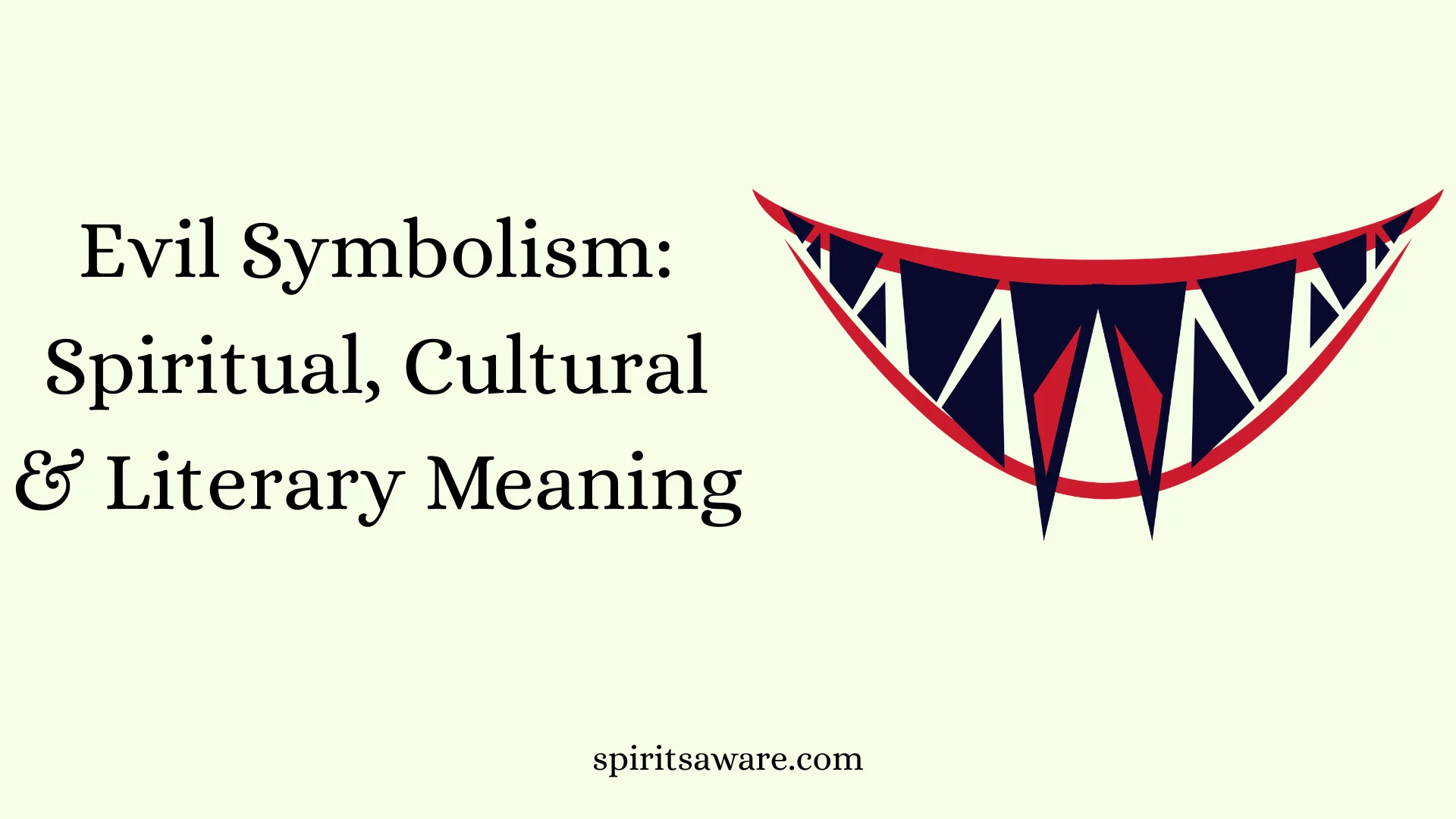
• Dark colors (black, deep reds) linked to mystery and fear
• Distorted shapes that suggest danger or threat
• Figures like serpents, demons, or beasts embody temptation and destructive power
• Inversion or distortion of familiar symbols to signal rebellion or chaos
These symbolic choices work because they tap into deep‑rooted psychological associations: darkness hides, danger lurks in shadows, and breaking norms feels unsettling.
Ancient Roots: How Evil Symbols Began
Before modern horror movies or comic villains, people in ancient times used symbols to make sense of the unknown—even the frightening parts of life.
Serpents and Chaos
Across many early cultures, serpents were powerful symbols—sometimes of life, sometimes of danger. In Western Christian tradition, for example, the snake in the Garden of Eden became linked with temptation and moral failure. The serpent also appears in mythologies around the world as a force of chaos, transformation, or hidden threat, showing how one image could carry both fear and respect.
Darkness, Shadows, and Night
Long before written texts, humans used the contrast of light and dark as a metaphor for safety and danger. Darkness sheltered predators and uncertainties and later became fertile ground for stories about spirits, demons, and other supernatural threats. This contrast appears in literature and folklore from many parts of the world.
Early Religious Representations
In ancient religious art and texts, figures associated with moral danger—like trickster spirits or rebellious beings—got repeated imagery over centuries. For example, Christian art often depicted the devil with horns, claws, or bestial features to visually contrast with saintly figures.
Symbolism in the USA Today
In the United States, symbols of evil get woven into many cultural spaces: literature, film, religious art, and even fashion or decor.
Literature and Popular Media
American horror films, graphic novels, and fantasy literature use evil symbolism heavily. Whether it’s a shadowy presence, a demon figure, or a cursed object, these symbols help storytellers dramatize moral and psychological conflict.
For many Americans, evil imagery signals danger, mystery, or taboo—especially around Halloween or in suspense genres. These images don’t always carry a single fixed meaning; they’re often shorthand for inner struggle, fear, or narrative tension.
Symbols That Carry “Evil” Association
Here are some that Americans frequently encounter:
| Symbol | Common Cultural Meaning | Notes |
| Pentagram (inverted) | Occult, rebellion | Often tied to western notions of devil worship, though historically complex |
| Baphomet | Satanic imagery | Modern Satanism uses the goat‑head symbol; interpretation varies |
| Snake/Serpent | Temptation, danger | Deep ancient roots across cultures |
| Red color | Danger, threat | Not inherently evil; context shaped this link |
| Skull & bones | Mortality, fatal danger | Widely understood as hazard symbol |
Cross‑Cultural and Spiritual Meanings
It’s important to note: symbols associated with evil in one culture might mean very different things elsewhere.
• Serpent: In some traditions, serpents represent renewal, wisdom, and life cycles—very different from purely evil imagery.
• Color Red: In many East Asian cultures, red connotes luck and prosperity, not danger or evil.
• Symbols like the pentagram were historically positive in some spiritual traditions before being tied to Western occultism and horror.
Respectful understanding of these differences shows how symbolism is shaped by cultural history and context.
Emotional & Psychological Associations
Symbols of evil often tap into deep human feelings:
• Fear of the unknown
• Moral tension or temptation
• Threat or danger
• Inner conflict or psychological shadow
Psychologically, these symbols help externalize what’s difficult to articulate—fear of loss, danger, or moral compromise. In stories or art, these symbols become visual metaphors for inner struggles and ethical choices.
Modern Usage: From Fashion to Social Media
In the USA, symbols tied to evil show up in lots of places:
• Tattoos that express rebellion or fascination with darker themes
• Fashion and alternative aesthetics that borrow occult motifs
• Online icons and emojis that play with horror themes
• Pop culture merchandise around Halloween
• Literature and film to build mood or plot
Modern usage often blends fear, irony, and playfulness. A pentagram pendant might signal gothic style rather than literal belief. A serpent tattoo might express transformation rather than malevolence.
Misunderstandings & Controversies
Symbols of evil can be misused or misunderstood in ways that cause harm or confusion.
Misuse of Ancient Symbols
Some symbols—like the swastika—had positive or sacred meanings in many ancient cultures but became shorthand for racism and genocide after misuse by the Nazis. This shows how historical context and appropriation can radically change symbolic meaning.
Conspiracy Theories
Symbols like the Eye of Providence or pentagrams sometimes get tied into unfounded conspiracy claims, mixing modern paranoia with misread history. Many such interpretations don’t reflect the original traditions or scholarly understanding.
How Symbol Meaning Changes Over Time
Symbolic meanings are not fixed. They evolve as culture changes:
• The pentagram shifted from protection imagery to occult association in some contexts.
• Inverted crosses moved from Christian respect tradition to horror iconography.
• Colors like red have layered meanings across time and place.
This fluid history shows that “evil” symbolism often tells us as much about society’s fears as about the world outside.
Read More: Grapefruit Symbolism | Meaning, Spiritual & Cultural Significance
FAQs
What does evil symbolism represent?
Evil symbolism typically conveys danger, moral conflict, temptation, and threat. In stories and imagery, such symbols help express fear or ethical struggle.
Are evil symbols always linked to religion?
Not always. While many come from religious traditions, others emerge from literature, folklore, or artistic convention.
Why do meanings of symbols change?
Meanings shift as cultures reinterpret them. A positive symbol in one era might become negative due to new associations or misuse.
Can a symbol of evil be used in positive ways?
Yes. Many people reinterpret such symbols in creative or personal contexts, using them for style, identity, or storytelling rather than literal belief.
How do Americans view evil symbolism today?
In the USA, evil symbols are widespread in media, fashion, and art. They often convey mood, narrative tension, or personal expression rather than literal spiritual meaning.
Conclusion
Evil Symbolism: Spiritual, Cultural & Literary Meaning reaches far beyond simple scary images. It weaves through religion, art, literature, psychology, and social expression. In the United States, these symbols help narrate fears, moral questions, and stories about what’s at stake in human life. While many symbols of evil have deep cultural roots, their meanings change with context and interpretation. When we understand how they evolved and what they communicate today, we get a richer view of how humans make sense of shadow, danger, and moral struggle in a world full of stories.

Hannah Collins is the voice behind Spirits Aware, sharing thoughtful perspectives on spiritual growth, awareness, and conscious living.