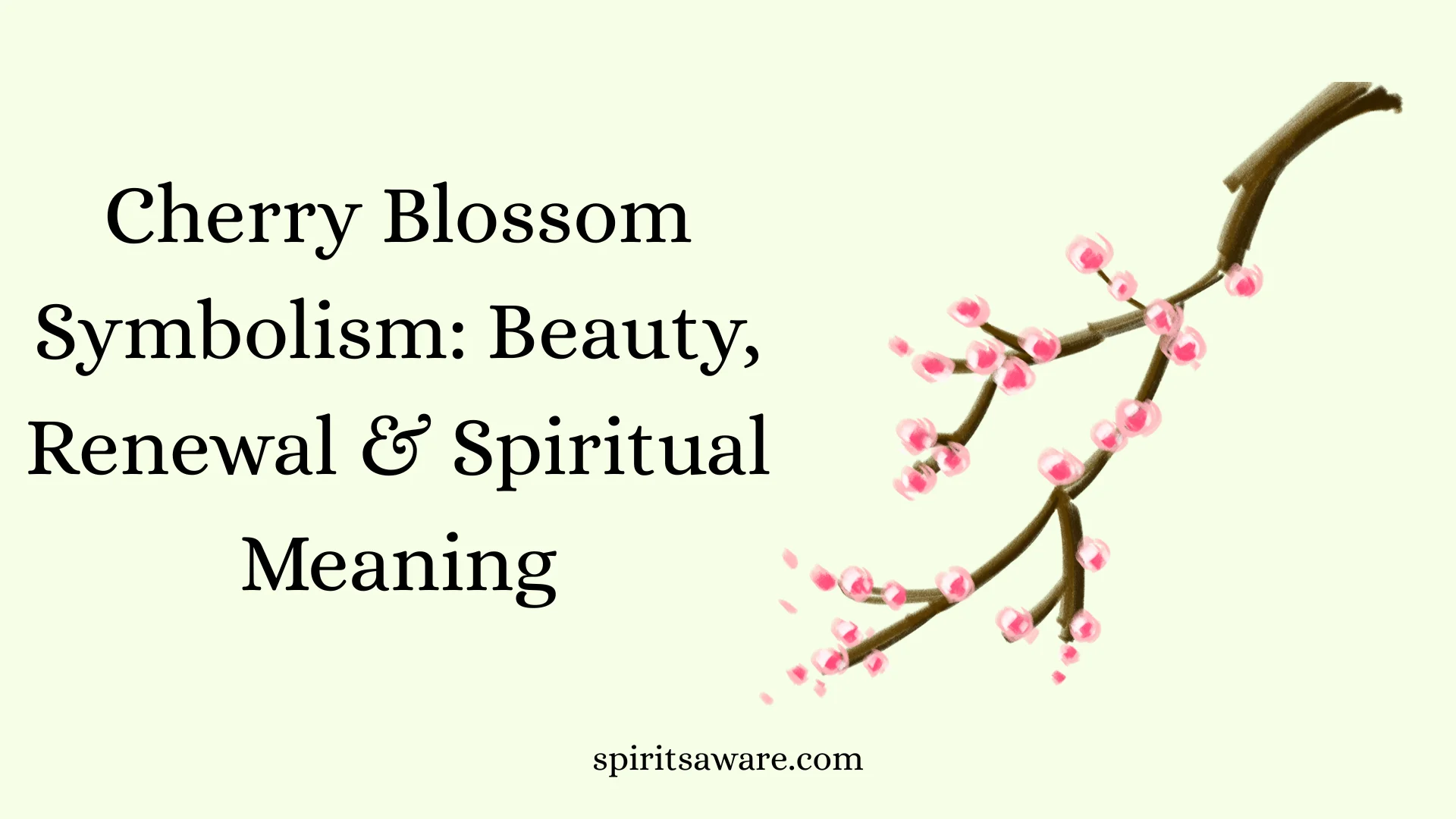
In Spring, the first soft, pink petals of cherry blossoms signal more than pretty weather—Cherry Blossom Symbolism: Beauty, Renewal reflects deep meaning that spans centuries and cultures, blending nature, seasonal rhythms, and cultural exchange. These delicate, fleeting blooms represent profound ideas about life, time, and human experience. In the United States, these flowers hold a special place in public and personal expression, with tidal basins, parks in Washington, D.C., and Seattle inviting us to pause, reflect, and treasure the moment.
From ancient Japan to modern culture, cherry blossoms inspire reflection, gratitude, and a celebration of ephemeral moments. Their white and pink flowers create a visual charm that is symbolic and captivating, representing mortality, renewal, and impermanence. These layered blooms carry historical and cultural significance, woven into art, literature, and spirituality, and hold lessons that are timeless and inspiring.
In my personal experience, seeing cherry blossoms fluttering in a breeze is a captivating sight that embodies hope and new beginnings. Whether in Bangalore, Japan, or during February’s Week from the 7th to the 14th, these flowers inspire admiration and peace, revere the momentary beauty, and remind us that life is fragile, precious, and full of lessons worth exploring. The Cherry Blossom is truly an iconic flower, cherished and celebrated, holding meaning, captivating hearts, and guiding us toward lasting hope and deeper understanding.
Quick Answer
In the USA, cherry blossoms most often symbolize the arrival of spring, beauty in fleeting moments, and deep international friendship. They also carry spiritual ideas about renewal, life cycles, and mindfulness, rooted in centuries‑old traditions from other cultures.
TL;DR
• Cherry blossoms are delicate pink/white flowers from cherry trees.
• They symbolize beauty’s fleeting nature and seasonal rebirth.
• In Japan they embody mono no aware — awareness of impermanence.
• The U.S. National Cherry Blossom Festival celebrates peace and friendship.
• Modern usage spans tattoos, weddings, spring marketing, and decor.
• They have rich emotional and spiritual resonance worldwide.
What Is a Cherry Blossom?
Cherry blossoms are the flowers of several all‑season ornamental cherry tree varieties, most often Prunus serrulata in cultivation. They bloom briefly in early spring, producing clusters of soft pink or white petals that create a cloud‑like effect across parks and landscapes.
• Color & form: Pale pink to white petals often with a subtle gradient.
• Bloom pattern: Whole trees burst into bloom at once, then petals fall like confetti.
• Seasonal timing: Bloom seasons vary by climate but typically appear in March–April in many U.S. regions and earlier in warmer areas.
• Key locations: Washington, D.C.’s Tidal Basin; Seattle, WA; various botanical gardens across the country.
This burst of beauty, followed quickly by the falling petals, is core to the symbolic weight of the blossoms.
Historical Origins and Evolution
Cherry blossoms have a long cultural history, especially in East Asia, but their meanings have shifted over centuries.
Ancient and Pre‑Modern Roots
In Japan, cherry blossoms (sakura) became especially revered by the Heian period (794–1185), when court poetry and art celebrated their fleeting bloom as a metaphor for life’s transience. “Flowers” in classical poetry usually meant cherry blossoms, reflecting their central cultural role.
Early Japanese farmers also saw blossoms as signs of spring’s renewal and hoped for an abundant harvest. The ritual of hanami — gathering to enjoy blossoms — eventually spread across society.
Samurai and Later Symbolism
During the era of the samurai, cherry blossoms became entwined with warrior ideals. Samurai embraced the image of the falling petal as a reminder that a noble life can be brief and that beauty and death are intertwined.
In the early modern period, and especially during Japan’s imperial expansion in the 19th and early 20th centuries, cherry blossoms were sometimes used in state symbolism and even military contexts before gradually shifting back toward peace imagery.
Cherry Blossoms in the United States
The most famous introduction of cherry blossoms to the USA came in 1912, when Japan gifted about 3,000 trees to Washington, D.C., as a diplomatic gesture of friendship. Those trees were planted around the Tidal Basin and later became the heart of an annual celebration.
National Cherry Blossom Festival
Every spring, thousands of visitors gather in the nation’s capital to celebrate the blossoms — an event that has become a beloved marker of seasonal change and community joy in the U.S. 🌸
• Friendship: Represents enduring cultural ties between Japan and the United States.
• Spring civic life: Concerts, parades, and picnics bring diverse communities together.
• Tourism & local pride: Millions visit each year to witness the full bloom.
Elsewhere in the U.S., cities like Seattle also cherish cherry blossoms as signals of spring’s arrival and public beautification.
Cross‑Cultural and Spiritual Meanings
While cherry blossoms are best known from Japanese culture, they carry meanings in other traditions too.
• China: Often symbolizes love and female beauty, with blossoms appearing in art and poetry.
• Western Christianity: Some interpret transient blooms as reminders of life’s fleeting nature and spiritual renewal, echoing biblical themes of mortality and hope.
• Global media: Anime, film, and literature use falling petals to mark emotional transitions, endings, or new beginnings.
Respect for these perspectives helps deepen appreciation beyond any single cultural narrative.
Emotional and Psychological Resonance
Cherry blossoms stir a range of feelings that go beyond pretty scenery.
• Mindfulness & presence: The brief bloom encourages noticing the present moment.
• Fragility & acceptance: They can evoke both joy and contemplative sadness, acknowledging beauty is temporary.
• Hope & renewal: Their appearance after winter brings optimism and new energy.
• Romantic and social connection: Shared viewing often ties to gatherings, love, and community celebration.
This emotional complexity is part of what makes cherry blossom symbolism so enduring.
Modern Usage in American Culture
Cherry blossoms appear in many contemporary contexts:
• Home decor & fashion: Patterns of pink blossoms show up in seasonal textiles and accessories.
• Tattoos: Many choose cherry blossom designs to honor beauty, change, or personal growth.
• Social media: Blossom photos flood feeds each spring, capturing “peak bloom” aesthetics.
• Marketing & seasonal products: From drinks to candles, “sakura season” inspires themed offerings.
These uses reflect both cultural admiration and personal meaning.
Misunderstandings & Controversies
Some aspects of cherry blossom symbolism can be misunderstood:
• Overlooking deeper meaning: Seeing blossoms only as pretty flowers misses their layered cultural significance.
• Historical associations with militarism: In Japan, blossoms were at times linked to war symbolism; today most people view them through peaceful lenses.
• Commercialization: Some worry that seasonal marketing dilutes the deeper emotional or cultural roots.
Approaching the symbolism with respect and curiosity helps avoid oversimplification.
How Cherry Blossom Meaning Has Shifted Over Time
Originally tied to life cycles and sacred seasonal rituals, cherry blossom meanings have evolved:
• From ritual and harvest to poetic metaphor.
• From warrior ethos to broad cultural celebration.
• From national identity to global springtime icon.
In the USA specifically, the blossoms grew from diplomatic gift to public tradition and artistic inspiration.
Read More: Willow Tree Symbolism in the Bible | Meaning & Spiritual Lessons
Cherry Blossom Symbolism at a Glance
| Context | Symbolism in the USA | Common Associations | Notes |
| Washington, D.C. | Peace & friendship | Annual festival, tourism | Roots in 1912 gift from Japan |
| Spring season | Renewal & hope | Seasonal change, optimism | Seen as start of warmer months |
| Personal expression | Beauty & growth | Tattoos, photography | Often tied to personal transformation |
| Spiritual reflection | Impermanence & mindfulness | Contemplation, presence | Echoes Japanese mono no aware |
FAQs
Q1: What do cherry blossoms symbolize?
Cherry blossoms symbolize beauty, renewal, impermanence, mortality, hope, and spiritual reflection, reminding us to treasure life’s fleeting moments.
Q2: Why are cherry blossoms important in Japan?
In Japan, sakura are a national flower, cherished and celebrated for cultural, historical, and spiritual significance, inspiring reflection, gratitude, and admiration.
Q3: When is the best time to see cherry blossoms?
Cherry blossoms bloom in Spring, often first appearing in February in some areas, and during Week from the 7th to the 14th, creating momentary, ephemeral beauty.
Q4: Where can cherry blossoms be seen worldwide?
They flourish in Japan, Bangalore, Washington, D.C., Seattle, and many other parks and tidal basins, spreading delicate, fleeting blooms across public spaces.
Q5: What lessons do cherry blossoms teach?
Cherry blossoms hold meaning about life, mortality, renewal, and hope, encouraging reflection, patience, spiritual growth, and appreciation for fragile beauty.
Q6: How are cherry blossoms represented in art and culture?
They appear in art, literature, cultural celebrations, and modern applications, inspiring admiration, captivating hearts, and symbolizing ephemeral beauty and new beginnings.
Q7: What makes cherry blossoms iconic?
Their soft, pink and white petals, layered blooms, and fleeting nature make cherry blossoms an iconic flower representing beauty, renewal, and spiritual significance worldwide.
Conclusion
The cherry blossom is a timeless symbol of beauty, renewal, and impermanence, reminding us to cherish life’s fleeting moments. From Japan to Bangalore, and across Washington, D.C. and Seattle, these delicate, pink and white petals create a visual charm that inspires reflection, gratitude, and hope. Their layered blooms represent profound ideas about life, mortality, and new beginnings, woven into art, literature, spirituality, and cultural traditions.
Whether in public parks, tidal basins, or personal spaces, the Cherry Blossom continues to captivate hearts and guide us toward lasting hope and a deeper understanding of life’s ephemeral beauty. Its presence encourages personal growth, spiritual reflection, and a greater appreciation for fragile moments, making it an iconic flower celebrated worldwide.

Amelia Brooks is the visionary behind Spirits Aware, dedicated to guiding others on their journey of spiritual awakening and conscious living. Through insight, intuition, and experience, she shares empowering wisdom to help you reconnect with your inner truth.